
Helen Lepisk, a graduate of Environmental Protection at the Estonian University of Life Sciences, chose to continue her academic journey in the Environmental Governance and Adaptation to Climate Change (ENGO) Master’s programme to deepen her expertise and build a meaningful career in the environmental field.
After completing her Bachelor’s degree, Helen spent a year working in a bio- and environmental chemistry laboratory at the university. During that time, she realised she wanted to take her knowledge further and explore environmental challenges from a broader perspective. ENGO stood out for its flexibility and interdisciplinary approach.
“What really attracted me was the possibility to shape my own study path,” Helen explains. “You can choose modules and courses that match your interests and build a combination that supports your goals.”
The programme brings together different aspects of environmental studies, including science, policy, and practical applications. This allows students to understand not only the technical side of environmental issues but also their social and economic dimensions.
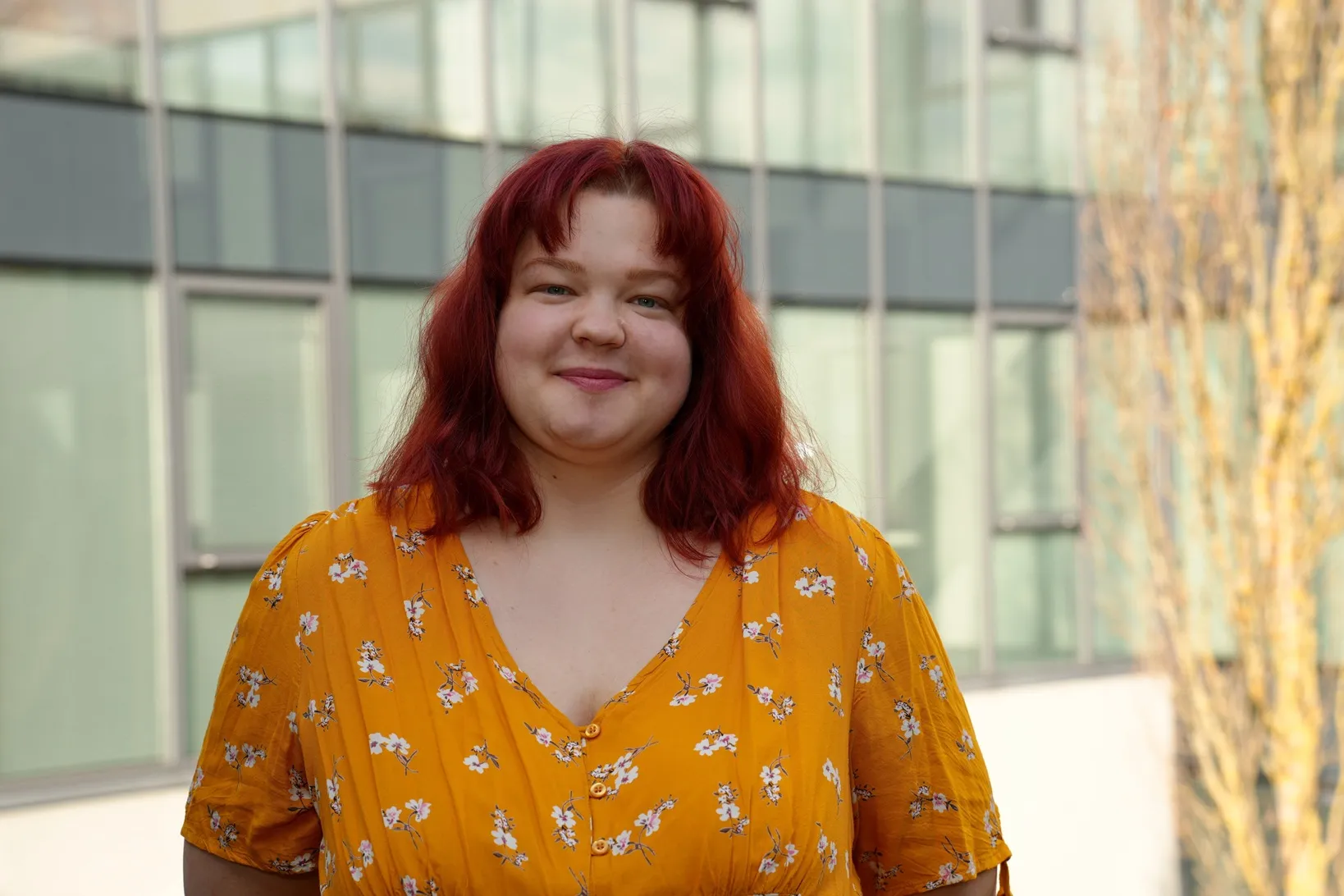
Although Helen initially expected studying in English to be challenging, she adapted quickly. “After the first semester, everything felt much more natural,” she says. “You get used to the terminology and the environment faster than you might expect.”
Another key strength of ENGO is its collaborative structure between the Estonian University of Life Sciences and the University of Tartu. This gives students access to a wider range of courses, perspectives, and expertise, enriching the overall learning experience.
Alongside her studies, Helen is currently working in a laboratory and focusing on her Master’s thesis on biogas – an area she sees as highly relevant for the future of sustainable energy. The programme supports this kind of specialisation, offering students the flexibility to connect their studies with their research interests.
Beyond subject knowledge, Helen highlights the importance of the skills she has developed during her studies. ENGO helps students build strong competencies in academic writing, research methodology, communication, and critical thinking – skills that are essential for addressing complex environmental challenges.
“You learn to look at environmental issues not only through data, but also through the perspective of people and communities,” she says.
For Helen, ENGO is more than just a degree programme. It is a platform for growth, helping students define their interests, develop expertise, and prepare for a future in environmental governance and climate change adaptation.

-
- Avatud ülikool Link avaneb uues sakis
- Biomajanduse arenduskeskus
- Järvemuuseum Link avaneb uues sakis
- K.E. von Baeri maja, teadusloo uurimise keskus
- Loodusteaduslikud kogud
- Loodusteaduste kool
- Loomakliinik Link avaneb uues sakis
- Polli aiandusuuringute keskus Link avaneb uues sakis
- Raamatukogu Link avaneb uues sakis
- Rõhu katsejaam Link avaneb uues sakis
- Taastuvenergia keskus
- Üliõpilasesindus Link avaneb uues sakis
-
- Eesti Maaülikooli Mahekeskus Link avaneb uues sakis
- MTÜ Eesti Maaülikooli Spordiklubi Link avaneb uues sakis
- Märja katsefarm (OÜ Eerika Farm) Link avaneb uues sakis
- Rohemu Campus Link avaneb uues sakis
- SA Artur Nilsoni Fond
- SA Eesti Maaülikooli Joosep Tootsi Fond
- SA Järvselja õppe- ja katsemetskond Link avaneb uues sakis