
Jelgava tests how public buildings can share solar energy
Jelgava’s energy community began with a practical municipal question: could the city cover part of the electricity needs of its public buildings with locally produced solar energy?
The city operates schools, libraries, municipal offices, cultural venues and leisure facilities that all require electricity. Until now, Jelgava has sought reasonable electricity prices through joint procurement. The StartSun project offered an opportunity to test whether some of the electricity used by public buildings could instead be produced on their own rooftops.
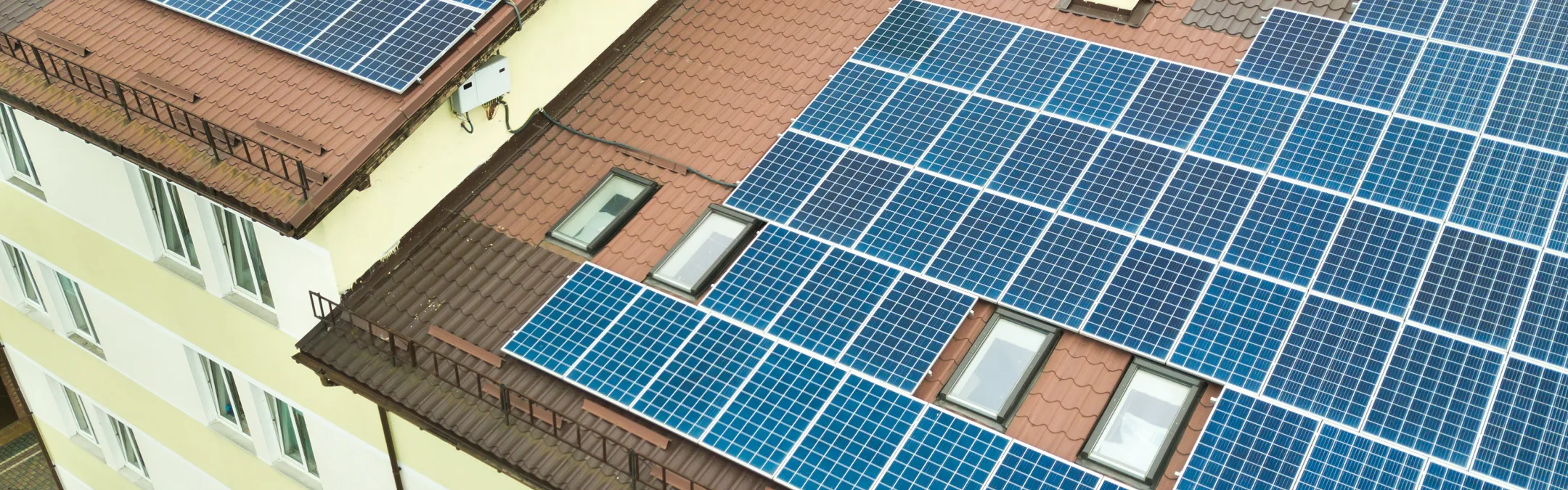
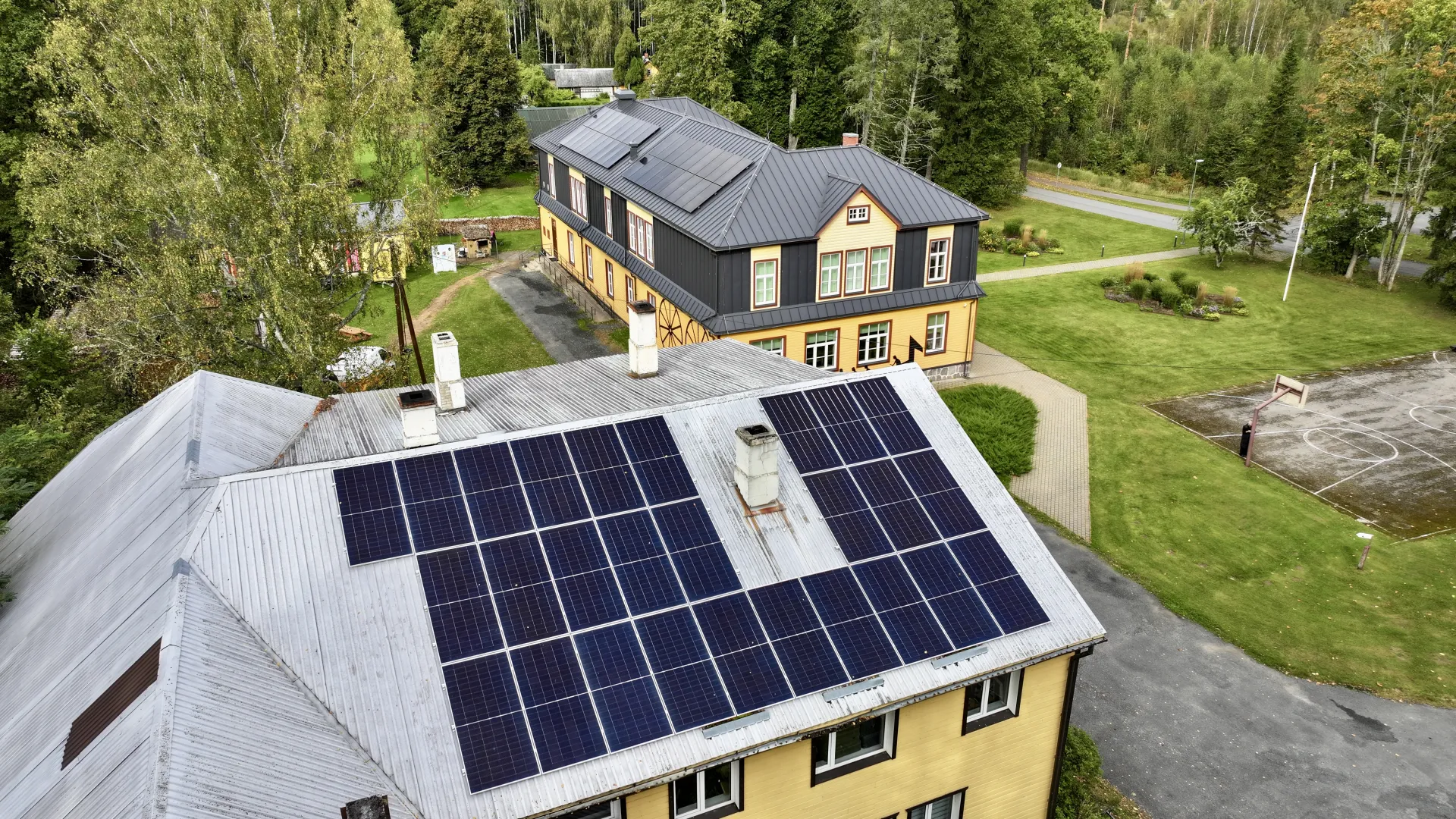
The pilot is based at two municipal buildings: Jelgava Pārlielupe Secondary School and the Jelgava Culture Centre. Solar panels and battery storage have been installed at both sites. The electricity produced will first cover the buildings’ own consumption. Any surplus can then be shared within the energy community.

Why this case matters
Jelgava shows how public buildings can serve as practical test sites for municipal energy communities.
Main challenge
The hardest part was developing the legal framework for a new concept in Latvia.
Lesson for others
Before choosing a building, assess not only its electricity use but also its roof structure, technical condition and long-term suitability.
Photo by Zemgale Regional Energy Agency
A city ready to test a new model
Jelgava has worked on energy and climate issues for years. In 2009, the city established the Zemgale Regional Energy Agency and joined the Covenant of Mayors. The municipality has continued to seek ways to reduce carbon dioxide emissions and improve the energy performance of its buildings.
When Jelgava City Municipality was invited to join StartSun as a pilot area, the goal was clear. The project had to lead to a concrete result: the establishment of an energy community.
This was challenging because the concept was still new in Latvia. At the same time, the project made it possible to install solar panels and battery storage at two municipal buildings.
The first discussions involved Jelgava municipal leadership, the Department of Development and Urban Planning and the Zemgale Regional Energy Agency, the project’s official partner in Jelgava.
The central question was not only whether solar panels would work technically. It was whether a municipality could test a practical model for sharing locally produced energy between its public buildings.
Public buildings at the centre of the pilot
The pilot is based in buildings that are part of everyday city life. One is a school with a swimming pool. The other is a culture centre that hosts concerts, children’s activities, dance studios, art studios and other events.
Producing part of their electricity locally connects renewable energy to services that residents use every day. Solar panels and batteries can help cover a share of electricity use in places where education, culture and community life take place.
The pilot also makes renewable energy more visible. When people see solar panels on a school, swimming pool or culture centre, the idea becomes linked to familiar local places rather than remaining an abstract technical concept.
A concept that needed explaining
When the idea was first introduced, the response was largely interested. People wanted to understand how the system would work and what an energy community would mean in practice.
In Latvia, the legal concept of an energy community is still new and complex. The team had to consider how energy sharing would work, what legal form was needed, how new regulation would fit with existing legislation and municipal procedures, and how much administrative work the model would require.
This raised an important practical question. Was an energy community always the simplest and most suitable way to use locally produced solar energy? In some buildings, self-consumption or a net metering system may be more appropriate. In other cases, an energy community can provide the best model.
Working through these questions is necessary if the approach is to be useful for other municipalities.
The hardest part was the legal framework
Bringing the two buildings into one energy community was not the most difficult part. Both buildings are connected to the same municipality, and the members of the energy community are Jelgava City Municipality and the Zemgale Regional Energy Agency.
The more difficult task was developing a legal framework that could work alongside existing legislation and municipal procedures. This required cooperation between lawyers, municipal leadership, the development department, representatives of both buildings and the energy agency.
The team held many meetings, and each stage required clarification. Jelgava was working with a new type of energy community model in Latvia, with few ready-made examples to follow.
One of the most useful outcomes of the process has been a clearer understanding of the documents, decisions and agreements needed to establish an energy community.
There is still practical uncertainty. It is not yet clear how much electricity the two buildings will use and how much surplus electricity will be available for sharing. The first year of operation will provide more reliable answers.
Choosing a building is not only about electricity use
One of Jelgava’s most practical lessons concerns the choice of buildings. A building with high electricity use during the sunnier part of the year may initially seem like an obvious choice. But energy use alone is not enough.
Before making a decision, the technical condition of the building must be assessed. Jelgava’s experience shows that a construction engineer’s opinion is needed to confirm whether a roof can carry solar panels.
Planning an energy community does not begin only with electricity bills and solar potential. It also requires attention to roofs, structures, permits and the long-term condition of the buildings.
If the building itself is not ready, even a well-designed energy community project may not move forward.
What other municipalities can learn
The Jelgava pilot shows that a municipal energy community can be a practical way to test renewable energy use in public buildings. But it also shows that an energy community is not the only possible solution.
Depending on the building and its energy-use profile, self-consumption, net metering or an energy community may be the most suitable approach. Choosing between these options requires clear information about legal requirements, technical conditions, costs and expected benefits.
Jelgava’s experience suggests that the StartSun Start-up Package can provide a useful starting point by bringing together the information needed to establish an energy community.
Based on the Jelgava experience, wider uptake would benefit from national support for renewable energy investments, including solar panels, batteries and ground-source heat pumps. More favourable conditions for energy sharing would also help similar initiatives develop.
The first year will provide the answers
Jelgava’s energy community has not yet shown how the model will work in the long term. The solar panels and battery storage are in place, but the system now needs to be tested in practice.
Only after a full year of operation will it be possible to assess what worked, what did not and what needs to be adjusted. Lower electricity bills during the sunnier part of the year would be a concrete benefit. If the sharing model needs changes, that will also provide valuable knowledge.
This is the purpose of the pilot. It is not intended to show that energy communities are simple or ready-made. It is intended to test how a municipality can make a new model work in real conditions.
Jelgava is now testing how locally produced solar energy can support the public buildings and services that residents use every day.

Foto autor: Zemgale Regional Energy Agency
Obinitsa näitab, kuidas kohalikust probleemist võib alguse saada energiakogukond
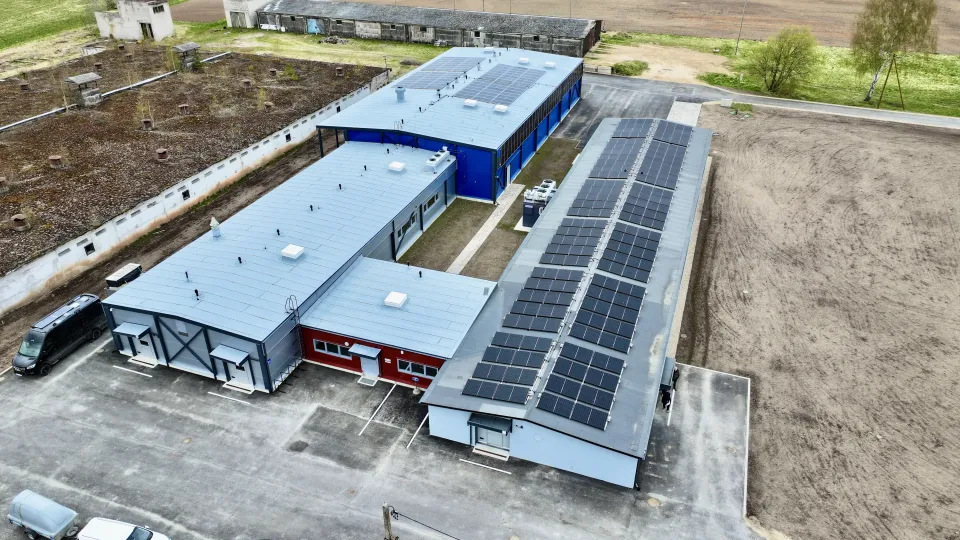
Obinitsa energiakogukonna idee ei sündinud üldisest soovist teha midagi keskkonnahoidlikumat või uuenduslikumat. Kõik sai alguse praktilisest probleemist. Seto Aiad külmhoone elektriarved olid suured ning kohalik marjakasvatus vajas töökindlamat energialahendust.
Ühistu Oma Elekter loomisel oli kaks selget põhjust. Külmhoone energiatarve mõjutas otseselt üheksa kohaliku marjakasvataja kulusid. Samal ajal pakkus Tartu Regiooni Energiaagentuuri kaudu piirkonda jõudnud StartSuni projekt reaalset võimalust lahendus leida.
Ühistu loodi vastuseks konkreetsele probleemile ning StartSun pakkus võimaluse selle lahendamiseks.
Miks see näide on oluline
Obinitsa näitab, kuidas energiakogukond võib saada alguse praktilisest kohalikust riskist.
Peamine väljakutse
Load, hanked ja pooleliolev elektrimüügileping võtsid oodatust rohkem aega.
Õppetund teistele
Alusta tegelikust kohalikust probleemist ja suhtle ausalt ka viivitustest ning kahtlustest.
Kõik sai alguse külmhoonest
Seto Aiad külmhoone energiatarve oli Obinitsa energiakogukonna loomise peamine ajend. Kõrged elektriarved ei olnud pelgalt raamatupidamisküsimus. Need mõjutasid otseselt kohalike marjakasvatajate igapäevatööd ja kulusid.
Sama oluline kui hind oli elektrivarustuse töökindlus. Ühe elektrikatkestuse järel ei käivitunud külmutusseadmed automaatselt ega saatnud rikketeadet. Selle tagajärjel sulas üles mitu tonni marju. Pärast seda ei saanud töökindlama energialahenduse vajadust enam eirata.
Sai selgeks, et probleem ei seisnenud ainult elektri hinnas. Küsimus oli ka riskide vähendamises, varustuskindluses ja kohalike tootjate töö kaitsmises.
Esialgu arutasid ideed Tartu Regiooni Energiaagentuur ja Seto Aiad liikmed. Hiljem liitusid aruteluga kohalikud elanikud ja piirkonnas tegutsevad ettevõtted. Nii kasvas külmhoone probleemist laiem kogukondlik algatus.
Energiakogukond kui praktiline lahendus
Energiakogukonna loomise idee kasvas suuresti välja StartSuni projekti raamistikust. Energiakogukonna asutamine oli üks projekti tingimustest. Samas muutis kogukonna kaasamine lahenduse sisukamaks.
Kui lahendus oleks puudutanud ainult üht külmhoonet, oleks kasusaajate ring jäänud väikeseks. Energiakogukonna kaudu sai projekti mõju laiendada ja siduda kogu piirkonna arenguga.
Oma Elektri algus on seega tihedalt seotud StartSuniga. Projektist üksi ei oleks siiski piisanud. Selle elluviimiseks oli vaja inimesi ning need inimesed olid piirkonnas olemas.
Kasulikuks eeskujuks oli juba tegutsev ühistu Seto Aiad. Seetõttu tundus loogiline asutada ka Oma Elekter ühistuna.
Ideed selgitati lihtsalt. Liikmed investeerivad ühiselt seadmetesse ning kõik energiaühistu liikmed saavad sellest otseselt või kaudselt kasu. Alguses ei saanud ka eestvedajad ise energiakogukonna mõttest täielikult aru.
„Alguses ei saanud me tegelikult aru, mis elukas see energiakogukond on. Aga kui otsustasime selle asutada ühistuna, muutus kõik palju arusaadavamaks.“
Usaldus ei teki iseenesest
Obinitsa ja Setomaa kogukondlik taust mängis olulist rolli. Seto Aiad on piirkonnas tegutsenud alates 2016. aastast ning varasem koostöö oli juba näidanud, et koos tegutsedes on võimalik jõuda konkreetsete tulemusteni.
Siiski ei olnud kõik algusest peale lihtne. Küsimusi oli palju. Kes hakkab protsessi juhtima? Kuidas jaguneb osalus? Kas liikmeks olemisega kaasnevad kohustused? Kas tehtud sissemakse saab tagasi? Kas projekt tasub end ära?
Inimesed olid ettevaatlikud. Osa huvilisi osales töörühma kohtumistel, kuid ei astunud liikmeks. Peamine kõhklus puudutas projekti tasuvust.
Sellises olukorras sai määravaks avatud suhtlus. Kogukondlik koostöö põhineb usaldusel, kuid usaldus ei teki iseenesest. Seda tuleb teadlikult hoida.
„Oluline on rääkida peale õnnestumiste ka sellest, mis läheb valesti või jääb pooleli. Usaldus ei teki iseenesest.“
Dokumendid, load ja ootamine
Selge idee ja kaasatud inimesed ei tähendanud, et kõik liiguks kiiresti. Suurimad takistused ei olnud peamiselt tehnilised ega rahalised. Need olid seotud dokumentide, lubade ja menetlusaegadega.
Üks esimesi suuremaid takistusi oli Päästeameti kooskõlastuse saamine, mis võttis oodatust kauem aega. Keerukust lisas ka riigihange. Esimene hange tuli tühistada, sest tööde tegemiseks määratud tähtaeg oli liiga lühike.
Elektrimüügileping ei ole siiani lõplikult sõlmitud. See näitab, et energiakogukonna loomine ei seisne ainult heas idees ja tehnilises lahenduses. Vaja on ka järjepidevat haldustööd.
Mõni takistus lahendati selgituste ja täpsustustega. Teised nõudsid lihtsalt aega ja kannatust. Protsessi aitasid edasi viia ka piirkonna isiklikud kontaktid.
StartSun andis raamistiku ja võimaluse
StartSunil oli Obinitsa energiakogukonna arendamisel oluline roll. Projekt tõi rahastuse ning tegevuskava muutis energiaühistu loomise lihtsamaks ja loogilisemaks.
Rahaline toetus oli hädavajalik. Ilma selleta oleks kogukonnal olnud keeruline sellist lahendust rajada. Rahastus ei olnud siiski ainus väärtus. Projekt võimaldas näha, kuidas teistes riikides taastuvenergiat kasutatakse ning milliste võimaluste ja probleemidega naaberriikide kogukonnad kokku puutuvad.
See aitas mõista, et kohalik energialahendus ei puuduta ainult üht külmhoonet või ettevõtet. See võib olla osa laiemast muutusest, mille käigus mõtleb kogukond läbi, kuidas oma ressursse targemalt kasutada.
Päikesepargi ja salvestussüsteemi mõju saab täielikumalt hinnata pärast süsteemi valmimist ja tööle hakkamist. Suve lõppu on kavandatud suurem kaasamisüritus.
Oma elekter tähendab väiksemat riski
Praktikas aitab Oma Elekter vähendada elektrikuludest ja varustuskindlusest tulenevaid riske kohalikele põllumajandustootjatele.
See ei ole pelgalt sümboolne oma elekter. See on konkreetne viis, kuidas leevendada kõrgetest elektrihindadest tulenevat survet ja muuta kohalik tootmine kindlamaks.
Energiakogukond on toonud kokku eri valdkondade inimesed. Ühistusse on panustanud inimesed, kes muidu ei pruugiks sama eesmärgi nimel koostööd teha. Nii on projekt tugevdanud ka teisi piirkonna koostöövorme.
Üks olulisemaid pöördepunkte oli hetk, mil ühistu notari juures ametlikult asutati.
„See oli hetk, mil tekkis päriselt tunne, et nüüd on see olemas.“
Kui sama teekonda alustataks täna uuesti, oskaks rühm dokumentidele ja menetlustele kuluvat aega paremini arvestada. Teadlikkus nõuetest on nüüd märksa suurem.
Obinitsa kogemus näitab, et energiakogukonna loomiseks on vaja tegelikku probleemi, mida lahendada. Üldisest soovist midagi teha alati ei piisa. Probleem tekitab vajaduse ning vajadus annab tahte tegutseda.
Oma Elektri järgmine samm on lihtne, kuid sisukas. Tuleb leida järgmine probleem, mida saab üheskoos lahendada. Obinitsa näitab, et ka keerukaid kohalikke probleeme saab lahendada, kui kogukonnal on selge vajadus, avatud suhtlus ja inimesed, kes soovivad koos tegutseda.


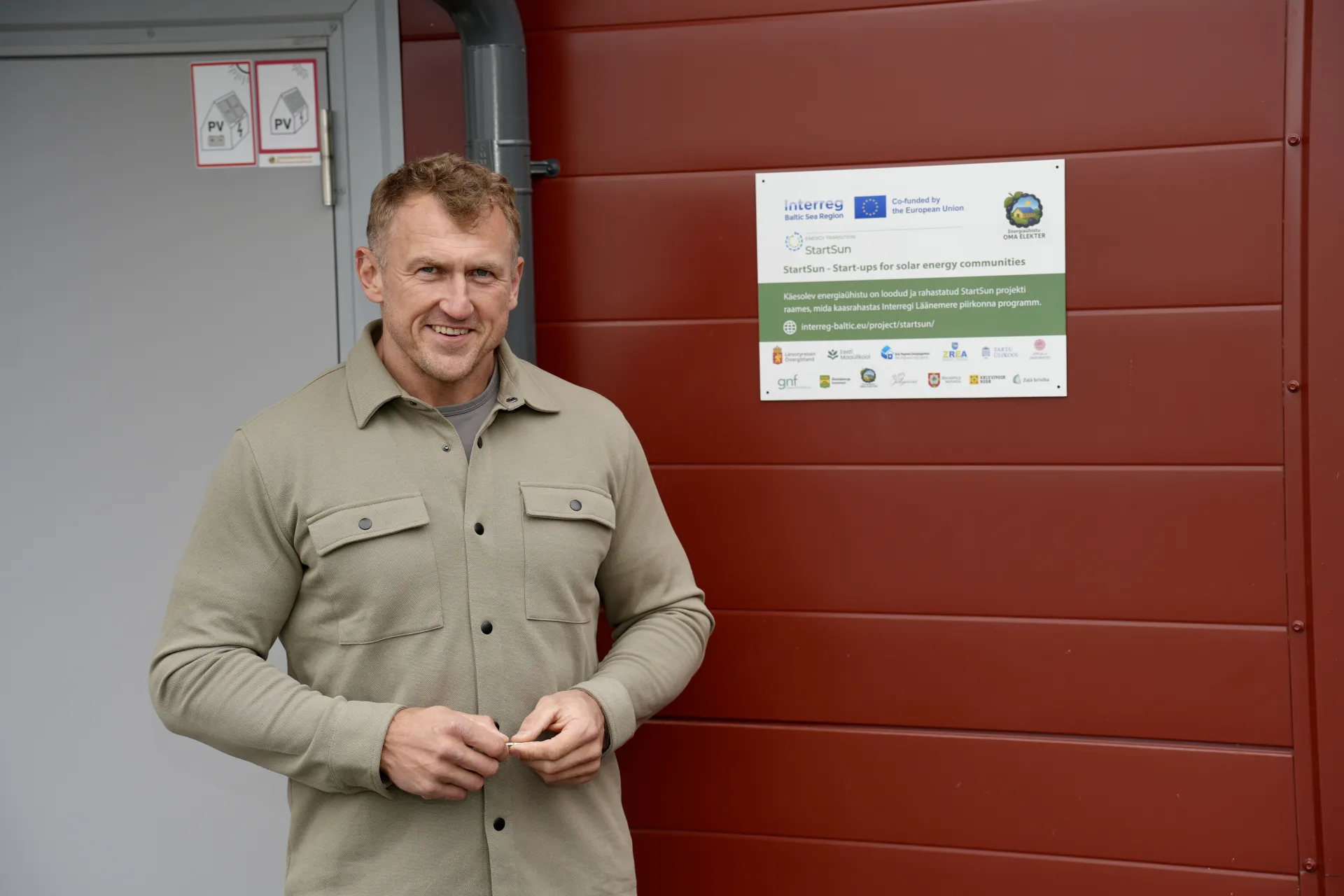

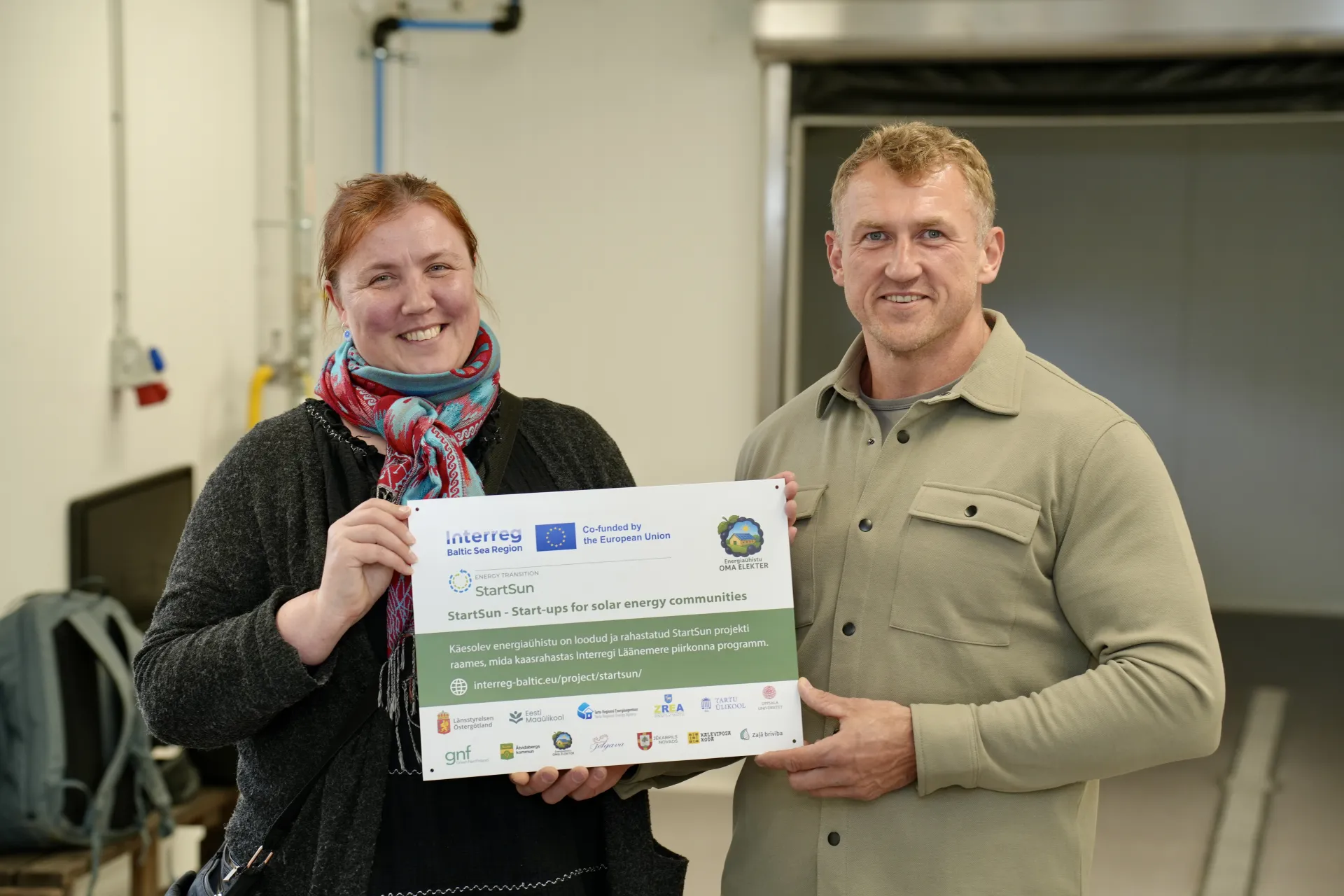

Obinitsa energiakogukonna avamine, mai 2026
Jēkabpils explores energy sharing between public buildings
The Jēkabpils pilot began with a practical municipal need: to use locally generated renewable energy more efficiently, reduce public expenditure and strengthen energy security.
The idea of participating in StartSun came from the municipality’s Development Planning and Investment Department. Jēkabpils Municipality already had an established Energy Management System whose objectives were audited annually. The municipality regularly analysed how effectively its resources were being used, which provided a strong basis for exploring an energy community model.
According to the municipality, the applicable legal framework does not permit it to sell the electricity it generates. An energy community could offer another solution by allowing surplus electricity remaining after self-consumption to be shared among municipal buildings.
The necessary equipment has been installed, but the energy community association has not yet been established. The municipality is analysing electricity production data and consulting electricity suppliers to assess whether establishing the association would be financially viable.
Why this case matters
Jēkabpils illustrates the practical steps and challenges involved in combining renewable energy generation, battery storage and potential electricity sharing between municipal buildings.
Main challenge
The main barriers have been legal uncertainty and the need to coordinate the technical, organisational and energy-use requirements of different municipal buildings. The financial viability of establishing an energy community association is still being assessed.
Lesson for others
Plan renewable energy investments as a connected system, involve the relevant municipal departments early and examine the legal, technical and financial conditions before implementation.
A model built around public buildings
The first institutions involved were the Development Planning and Investment Department and civil engineers from the Infrastructure Management Department. As the project developed, other municipal departments and specialists also became involved, including the Education Department, development planning specialists and staff responsible for the participating buildings.
The pilot focused on municipal buildings that provide essential public services and support socially vulnerable groups. Their energy consumption was also analysed to identify opportunities to reduce the burden on the municipal budget.
Schools, preschools and sports facilities play an important role in community life. Preschools and schools provide childcare and education, support children’s development and help families balance work and family responsibilities. Sports halls promote physical activity, support athletes and host competitions and community events that bring together people of different ages and backgrounds.
These buildings are also significant energy consumers. Improving their energy efficiency and supplying them with locally generated renewable energy can reduce municipal expenditure and free up resources for other public needs.
The original site had to be changed
The initial plan involved installing solar panels on a preschool building selected in line with the project’s social objectives. However, after the project began, it was found that the preschool’s roof structure was unsuitable for solar panels.
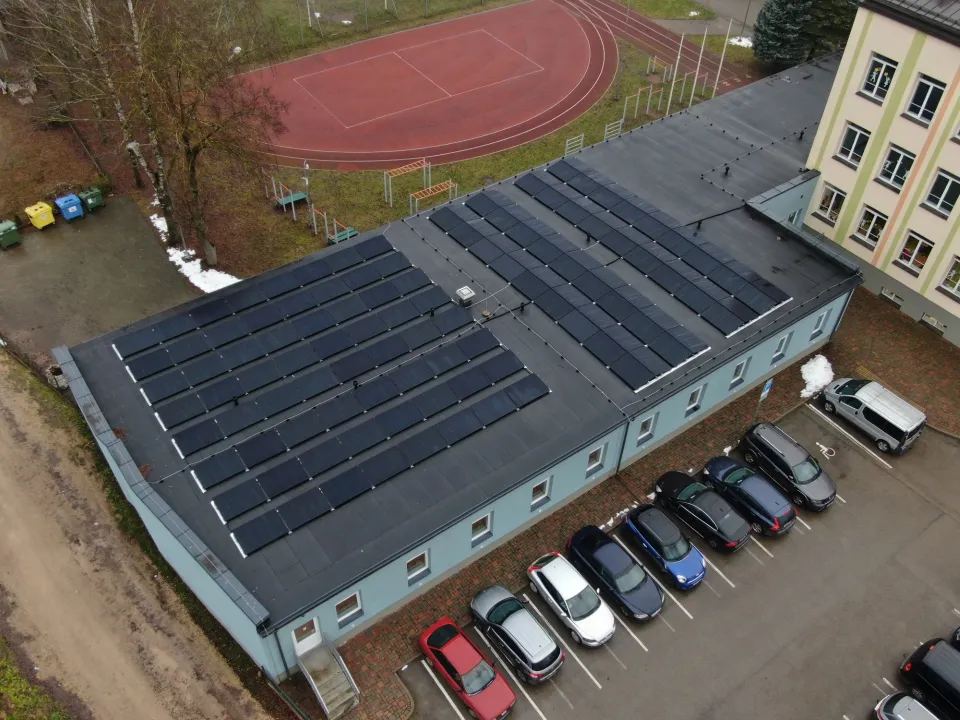
The municipality therefore decided to implement the project at Jēkabpils 2nd Secondary School instead.
The school uses electricity for its day-to-day operations. Electricity stored in the battery can also power its security alarm system, ventilation and other electrical equipment.
The city sports hall was included because it is one of the largest electricity consumers among the municipality’s buildings. It also provides services to a wide range of residents, including socially vulnerable groups. Its role is to fulfil the municipality’s responsibilities in the field of sports, support local athletes participating in competitions and promote healthy lifestyles among residents.
Including the school and sports hall in the proposed model created an opportunity to assess whether surplus electricity generated at one municipal building could be used at another, and whether this would reduce overall electricity costs.
The practical benefits shaped local interest
The project aimed to address several local needs: reducing municipal expenditure, improving energy efficiency, increasing energy security and independence, and establishing a system for sharing surplus electricity between municipal buildings.
These aims made the project relevant to residents as well. It offered a visible example of how renewable energy solutions could work in practice while helping the municipality use public resources more efficiently.
The project was received positively by both the municipal leadership and local residents. Residents were informed about the project through social media, where the response was also positive.
However, the people involved still had important questions. The main concerns were how much benefit the proposed model would provide and whether it would be financially worthwhile. These questions remain central to the assessment now under way.
Legal uncertainty shaped the process
The project began before Latvia’s legislation on energy communities had been fully developed. This created uncertainty, raised questions and delayed parts of the process.
The biggest challenges were legal, although these also slowed down organisational decisions. Developing the proposed model required the municipality to consider legal requirements alongside technical solutions and the different energy consumption patterns of the participating buildings.
Planning electricity sharing between several public buildings was not simply a matter of installing equipment. The municipality also needed to examine how surplus electricity could be shared efficiently while accounting for the technical requirements and energy needs of each building.
Despite these uncertainties, several practical steps were completed. The existing situation was assessed, recommendations were prepared, the necessary equipment was purchased and installed, and the public was informed about the project. Establishing the energy community association remains a separate step, subject to the ongoing financial assessment.
Municipal cooperation kept the process moving
Because the municipality was responsible for implementing the project, cooperation between different departments was essential.
The process brought together civil engineers, education specialists, development planning staff and other municipal employees. Each contributed a different perspective, from building infrastructure and energy consumption to public services and project planning.
The responsible municipal staff monitored the project’s progress and results closely. This helped keep the practical activities on schedule despite the legal and organisational uncertainties.
The experience highlighted that preparing an energy community requires more than renewable energy equipment. It also needs careful planning, technical coordination, a clear legal framework and cooperation between the institutions involved.
A storm demonstrated the value of energy storage
The importance of energy storage became especially clear when a severe storm hit Jēkabpils Municipality in August. According to the municipality, the storm caused a municipality-wide loss of electricity and telephone communications.
The school’s battery storage allowed essential systems, including the security alarm and ventilation, to continue operating during the power outage.
The incident changed how many people viewed energy storage. It showed that batteries can help maintain essential functions during disruptions as well as support more efficient use of solar electricity.
Potential benefits of sharing surplus electricity
The proposed energy community would allow surplus electricity remaining after self-consumption to be shared among municipal buildings. If financially viable, this could help the municipality make greater use of locally generated renewable energy and reduce expenditure on electricity, potentially freeing up resources for other public services.
Battery storage has already demonstrated its value by keeping essential school systems operating during a power outage. The additional benefits of sharing electricity between buildings still need to be assessed.
The experience highlights the importance of considering generation, storage and the energy needs of different buildings together when planning municipal renewable energy investments.
Current status and next steps
Jēkabpils Municipality has installed renewable energy and battery storage equipment, but the energy community association has not yet been established. The municipality is currently analysing electricity production data and consulting electricity suppliers to assess whether establishing the association would be financially viable.
If the association is established, the aim is to share surplus electricity remaining after self-consumption among municipal buildings. This would build on the investments already made, with the goal of using locally generated electricity more efficiently and reducing municipal expenditure on electricity. The assessment needs to consider both the potential savings and the costs associated with sharing electricity.
For other municipalities, the experience underlines the importance of involving relevant departments early and assessing the legal, technical and financial conditions for energy sharing alongside investments in equipment. Public buildings can also serve as practical examples of renewable energy generation and storage for the wider community.
Jēkabpils has taken practical steps towards a possible energy community. Renewable energy generation and storage provide a foundation, while the ongoing financial assessment will help determine whether and how electricity sharing between municipal buildings can become a workable next step.

Marttila shows why energy communities start with calculations, not solar panels
The idea of exploring an energy community in Marttila did not begin with a broad wish to do something greener or more innovative. It grew out of a practical need to understand how a typical Finnish housing company could modernise its energy system, reduce long-term costs and make better use of local solar production.
The Marttila pilot emerged through cooperation between two projects in Finland. StartSun found its case study through collaboration with Valonia and its TEMU project, which had already been examining how housing companies could benefit from energy communities.
Although the original aim had been to create a fully operational solar energy community, real-life implementation constraints led the Green Net Finland team to use Marttila as a practical pilot for testing frameworks, feasibility and decision-making.
“We needed a real case that would allow us to test what an energy community could look like in practice,” the Marttila story could be summed up.
Why this case matters
Marttila shows how modelling can help housing companies turn a complex energy idea into a decision.
Main challenge
The local grid, roof condition and financing slowed implementation.
Lesson for others
Check the building, calculate the case and explain the benefits before expecting a decision.
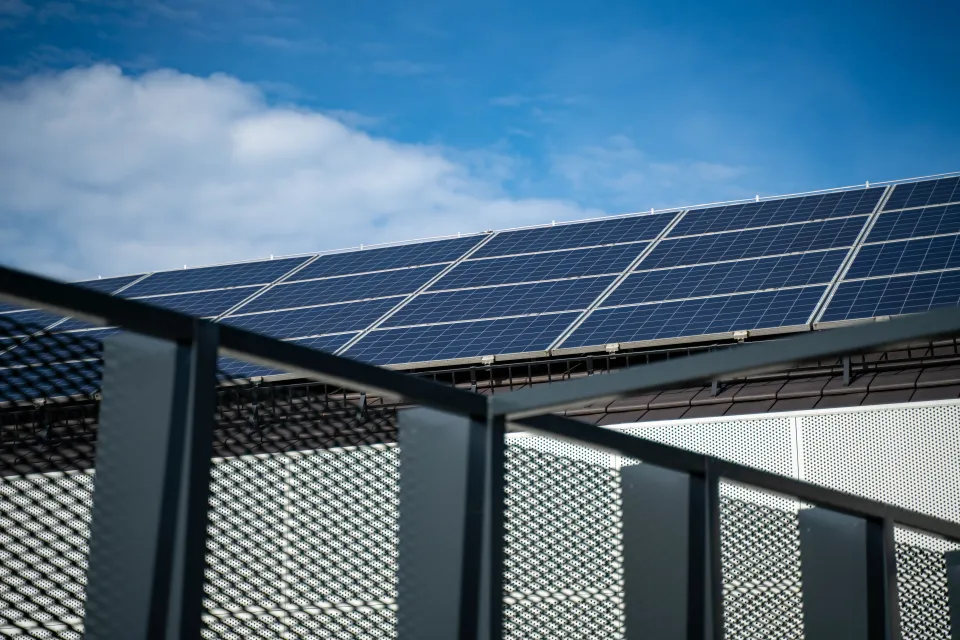
Foto on illustreertiv
It started from a real housing property
Marttila was a suitable place to explore the model because it reflected a common Finnish situation. The pilot site was a municipally owned rental housing company made up of terraced houses, with two buildings and six apartments. Built in the 1990s, the property represented the kind of housing stock that many municipalities and housing companies across Finland are trying to update.
The site also had a clear technical challenge. It needed to move away from oil heating, and the transition to an air-to-water heat pump increased electricity demand. Future needs, such as electric vehicle charging, also had to be taken into account.
This made the site a realistic test case for how local energy production could support a building’s changing energy use. The property manager was already thinking in long timeframes rather than short-term fixes, which made the case especially useful.
An energy community as a practical model
In Marttila, the energy community idea took shape within the Finnish model of a property-internal energy community. This is the most straightforward approach in Finland, because it uses the housing company’s existing grid connection and makes it possible to allocate solar electricity to both common building consumption and residents’ own use.
That made the concept practical rather than abstract. The pilot explored how solar production could be shared fairly between the housing company and tenants by using Finland’s official credit calculation model through Fingrid’s Datahub.
If the case had been approached only as a technical solar project, the discussion would have remained narrower. Looking at it as an energy community made it possible to ask broader questions about fairness, distribution of benefits, resident impact and long-term resilience.
The role of modelling quickly became central. Instead of relying on general enthusiasm, the pilot focused on concrete figures: investment costs, expected savings, payback time, risks and distribution of benefits.
Clear figures build confidence
One of the clearest lessons from Marttila is that energy communities become easier to understand when they are explained through real calculations. The modelling work helped turn a complicated idea into something concrete and discussable.
Board members and decision-makers need more than a general description. They need reliable information about costs, savings, maintenance, payback time, legal issues and potential risks.
The modelling also produced useful reality checks. For example, it showed that integrating a battery energy storage system would not be financially viable because of high maintenance costs. That helped avoid an unprofitable investment and redirected attention to a more sensible goal: maximising the self-consumption of solar energy.
In this way, modelling did not simply support the idea. It also sharpened it.
Questions came before decisions
In Marttila, the first discussions were focused. Because the property manager already understood the site’s technical characteristics, the main interest was in feasibility calculations, profitability of solar PV, fire safety and equipment placement.
The main doubts were practical. People wanted clarity on fire safety, insurance and whether the planned solar solution would make economic sense. These are the concerns that determine whether an energy community remains an interesting concept or becomes a credible project.
Trust matters greatly in this process. An energy community is not a short-term experiment but a long-term commitment, both financially and technically. Decision-makers need to feel that the data is reliable and the proposal is grounded in realistic assumptions.
In Finland, housing company decision-making is structured and democratic. The board usually prepares a proposal, and the final decision is made by stakeholders through a majority vote at the general meeting. In Marttila, the municipally owned nature of the property added another layer, because public stakeholders also had to be considered.
Technical barriers slowed progress
The Marttila pilot showed how decisive technical and infrastructural barriers can be.
One major challenge was the local electricity grid. Changes in the heating system and preparation for future loads meant that the distribution system operator had to reinforce the regional grid. This caused a delay of around one and a half years.
The roof created another obstacle. Because the existing 1990s roof was not structurally suitable for solar panels, a full renovation was needed before installation could move forward. Fire safety requirements also had to be mapped carefully, including the placement of the inverter and firefighter safety switches.
Financial questions were present as well. The housing company already had debt related to renovations and other necessary expenses, which meant that financing an energy community could have been difficult even if the technical side had been ready.
All this showed that the path from idea to implementation depends heavily on the overall condition of the property. Before additional investments are made, the sustainability basics of the building need to be in place.
Low awareness, strong relevance
Another lesson from Marttila is that the concept of energy communities is still not widely familiar in Finland. For many housing companies, boards and residents, the practical meaning remains unclear.
At the same time, Finnish legislation and technical systems already support one specific and practical form of energy community: shared solar energy within housing companies.
That means the challenge is not only legal or technological. It is also communicative. Energy communities need to be explained in a simple and practical way. When the idea feels too complex, people hesitate. When it is described through real examples, calculations and understandable benefits, it becomes easier to discuss.
Housing companies need clear guidelines, expert support, reliable decision-making tools, financial support and opportunities to learn from comparable pilots.
What Marttila teaches others
The most valuable lesson from Marttila is that an energy community should not be planned in isolation from the wider condition and future of the property. The building, its renovation needs and its long-term development path must be studied first.
Marttila also shows the value of open communication and steady cooperation. The case advanced through repeated discussions between the property manager and the Green Net Finland team. With every meeting, the shared understanding improved.
The idea has not yet fully moved from modelling to implementation. One remaining issue is funding. Many housing companies lack the financial capacity to move ahead alone, even when the concept is sound.
Still, the pilot has shown why this model matters. In the long term, energy communities can help residents by making energy costs more stable and predictable while improving local resilience.
If the Marttila story had to be captured in one sentence, it might be this: clear modelling, steady cooperation and practical communication can turn an abstract energy idea into a concrete and achievable plan.

Foto on illustreeriv
Facetten shows what it takes to turn a promising site into an energy community
The Facetten pilot in Åtvidaberg began with ambition and a practical municipal interest. Åtvidaberg Municipality had a long history of working with climate and energy projects, and StartSun offered an opportunity to connect that experience with something concrete: lower energy use, local renewable energy production and a new way of organising energy around a shared site.
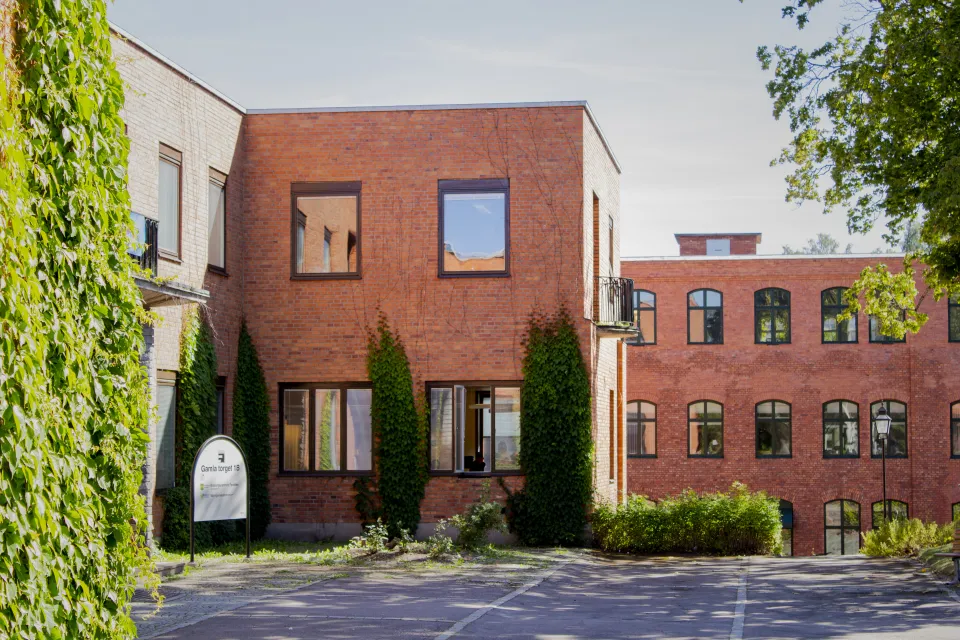
From the beginning, the idea looked promising. Solar panels could be installed either on the roof of Facetten or on the former sawmill site next to the building. Facetten, a municipally owned building with several business tenants, seemed like a credible place to test how an energy community could work in practice.
The original vision was to create an energy community that could later expand and show how municipalities can take an active role in innovative energy solutions. But the case also showed something just as important: a suitable site is not enough if the value proposition, political support and member commitment are not strong enough.
Why this case matters:
Facetten shows that municipalities need more than a suitable site to create an energy community.
Main challenge:
The financial viability of the model, political support and commitment from potential members were not strong enough. The case also showed that building support for new initiatives and ideas takes time.
Lesson for others:
Bring the municipality and potential members together early, build a shared understanding of the model and make the practical value clear before asking people to commit.
A site with real potential
Facetten was not chosen by accident. The municipality was already looking at the former sawmill site in connection with plans to remediate the area. That created an opportunity to think more broadly about local energy production.
The building itself also made the case interesting. Several businesses rented space there, creating a potential basis for a shared model in which different users could become members of an energy community.
On paper, the case looked strong: a municipal owner, a nearby area that could host solar panels and potential participants already located in the same building. The early discussions reflected that promise. First, relevant people inside the municipality were involved, especially from the property department. Then the businesses renting premises at Facetten were included as potential members.
Interest was real, but did not become commitment
The process initially focused on businesses in the building and relevant actors within the municipal organisation rather than the wider Åtvidaberg community.
Among those invited early in the process, the response was not negative. Businesses showed interest and curiosity. They were already knowledgeable about energy issues and interested in renewable energy. But they wanted to know something more specific: how would an energy community affect their business model, and would it actually lower their energy costs?
That question became central. An energy community can sound appealing in principle, but potential members need to understand the practical benefit for their own organisation. In Facetten, the initial interest did not develop into enough commitment to support the planned model.
This may also have been affected by limited engagement between the project working group and the potential members. Because many aspects of the proposed model were still unclear, it was difficult for the working group to determine how much time and involvement to ask from the businesses.
It was not fully clear whether the hesitation resulted from limited understanding of the model, insufficient dialogue or the fact that the proposal itself did not yet seem attractive enough.
The difficulty was not only technical
The project did not stall because the technology seemed impossible. The barriers were more complicated.
At first, it was difficult to engage potential members without a clear path for establishing the energy community. The project team had to build interest while being honest about the uncertainty. The municipality had not yet secured the political investment decision needed to move forward, which made it harder to give businesses a concrete offer.
As the work continued, the main barrier became financial. The expected profitability of an energy community at Facetten was lower than hoped. Because the municipality would have owned the model, the need for a power purchase agreement, administrative costs and additional taxes reduced the attractiveness of the setup.
Facetten showed that even where the physical conditions are good, the organisational and financial design can determine whether an energy community still makes sense.
Knowledge was also a barrier
Another challenge was knowledge. Energy communities are still a relatively new concept, and many people involved did not have a clear understanding of what participation would involve, what benefits it could bring or what responsibilities it might create.
This mattered both among businesses and within the political organisation. Some businesses only partly understood the model. At the same time, the benefits did not seem strong enough to generate significant interest. It was difficult to separate limited understanding from limited attractiveness.
On the political side, more time, clearer information and greater confidence in what the project would involve would likely have been needed before committing to the investment.
If an energy community is introduced before the groundwork of knowledge-building has been done, even potentially supportive actors may hesitate.
When the original plan began to unravel
The turning point came when it became clear that the project needed a political investment decision to move ahead with solar panels at Facetten and to commit municipal resources to the energy community. That decision did not materialise.
The issue was not opposition to solar panels as such. The larger problem was that too few businesses were ready to join the model. As a result, the municipality would have had to carry more responsibility than it was prepared to take at that time.
That shifted the project from a shared initiative into something heavier for the municipal side, and the original plan became difficult to justify.
For the project team, this was disappointing and frustrating. They felt that with more time for dialogue and knowledge-building, the energy community might have had a stronger chance. Facetten was not a case of immediate rejection. Rather, timing, uncertainty, a lack of dialogue and the absence of an appealing proposal prevented the process from fully maturing.
Still valuable, even without full implementation
The Facetten case did not develop as originally planned, but the process still created value.
Inside the municipality, the work built capacity. It improved understanding of how energy communities function, what role a municipality can play and what kinds of challenges such processes involve. The solar calculations produced through the project were later used elsewhere in the municipality to better understand where and how solar energy could reduce energy use and costs.
The process also helped shape municipal strategy. Åtvidaberg’s energy and climate strategy now includes a target related to working towards the establishment of energy communities in the municipality. The municipality is also planning solar panels at Facetten outside the formal framework of StartSun.
The possibility of an energy community at Facetten has not been forgotten either. The municipality intends to continue exploring how one could be established in the future, and the businesses in the building are aware that the discussion may continue.
Facetten matters precisely because it did not unfold neatly. It shows where real friction points can arise: limited time, limited shared understanding, weak incentives and institutional complexity.
A promising site is not enough on its own. Energy communities need time, a credible value proposition, informed participants and political support. Municipalities can play an important role as facilitators, but they also need the right conditions to bring potential members into a meaningful shared process.

Why this case matters
Grebo shows that interest in local energy is not enough without people who can carry the process forward.
Main challenge
The main barrier was organisational capacity, not technology.
Lesson for others
A community needs a shared goal and a committed core group before an energy community can move from idea to action.
A village in a phase of change
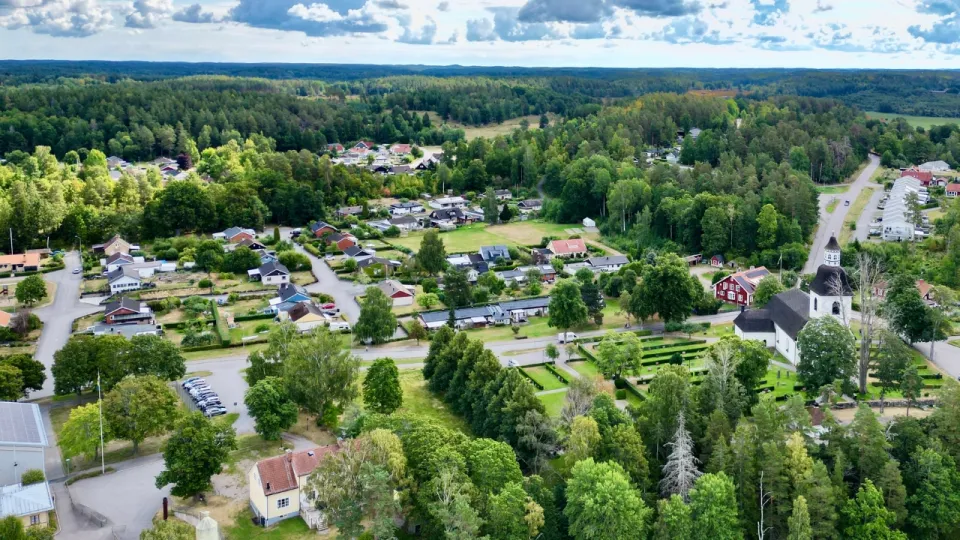
Grebo is in an expansive phase. Around 200 new plots are planned in the coming years, which gave the discussions a forward-looking dimension from the start. The question was not only how electricity is used today. It was also what kind of local energy model could make sense in a community expected to grow.
The village also had an interesting mix of local actors. Early discussions focused on places that already matter in village life: the church, the grocery store, the school and the village association. They are close to one another, important for everyday life and have different electricity-use patterns that could complement one another in a future energy community.
These actors also function as connection points in the community. If an energy community ever moves beyond the pilot stage, they could help bring more people into the conversation.
From project discussion to local conversation
The first phase was led by the project working group, which brought together the County Administrative Board, Uppsala University and Åtvidaberg Municipality. Within the municipality, people from spatial planning, property management and technical functions were involved early. The goal was not to launch an energy community overnight, but to investigate whether Grebo had the conditions to make the idea meaningful.
Local discussions followed. Representatives of the church, the grocery store and the village association were invited to in-person meetings to hear what an energy community could mean in practice.
The initial response was positive. The concept was new, but renewable energy was not. Some actors already had solar panels and were familiar with the technology. What was new was the idea of doing something shared rather than individual.
That distinction mattered. In Grebo, interest did not arise because people were waiting for the term “energy community”. It arose because they were already interested in renewable energy and wanted to know whether sharing electricity could make financial and practical sense.
Trust was not a side issue
One of the clearest themes in the Grebo case is trust. In a village setting, that is not a soft extra. It is one of the main conditions for progress.
The discussions among the involved local actors showed that cooperation in Grebo is strong enough to give an energy community a credible starting point. People know each other and are used to working together in village life. That kind of social infrastructure is difficult to build from scratch, and it matters when a project requires investment and long-term commitment.
The project team also brought in an example from elsewhere. A representative from the Swedish energy community Fegen joined the discussions and helped make the concept more tangible. That added proof that the idea was not only theoretical.
Still, goodwill is not the same as capacity. When discussing how to move the process of starting an energy community forward, the locals who were involved were cautious. It was not rejection in principle. It was the familiar problem of time and capacity. People were interested, but already busy.
The hard part was not the first meeting
It was not difficult to get the first group of potential members around the table. The first meetings were well attended, the tone was constructive and the interest was real among the actors involved. The wider Grebo community had not yet been brought into the process.
What proved harder was maintaining momentum between meetings. Responses became slower and communication was more difficult to sustain. The project team’s interpretation is telling: this may partly have been because the process was initiated from the top down. If the push had come directly from the community, the follow-up might have been stronger.
This is one of the most useful insights from Grebo. Many communities are open to the idea of an energy community. Fewer have a core group ready to carry the work forward once the first conversation is over.
That is why the main barriers in Grebo were not primarily technical. They were organisational. The biggest question was who would take ownership of the next step. Legal issues, including taxation related to electricity sharing, also made the financial case less straightforward.
A useful pilot, even without full implementation
The StartSun work in Grebo was approached as a hypothetical case, but that should not be mistaken for a weak result. The aim was not only to draw a concept on paper. It was to build capacity in the municipality, among the involved local actors and in the wider community over time.
The process increased knowledge, brought relevant local actors into the same discussion and created a basis for future decisions. It also influenced how the municipality now thinks about new development. Energy community thinking was not built into Grebo’s expansion plans from the start, but StartSun has opened up discussions about whether it could be included later.
Grebo has not produced a finished model that others can copy. What it has produced is a grounded picture of what it takes to move from curiosity to collective action.
For other communities, the lesson is clear. Start with a shared need, goal or vision. Then make sure there is a core group willing to carry the process. Without that, even strong local interest may not be enough.
Kääpa energy community grows through patience, trust and local leadership
The idea for the Kääpa energy community emerged through the Smart Villages development programme, where local people, the municipality and energy experts discussed the village’s future needs. The first discussions were followed by meetings in Kääpa with representatives of the Tartu Regional Energy Agency (TREA) and the municipality. Later, an opportunity arose to involve Kääpa as a StartSun pilot area.
At the same time, Kääpa was looking for new energy solutions. The existing boiler house was in very poor condition, the municipality was working on a district heating solution, and apartment buildings needed renovation. Creating an energy community was therefore linked not only to electricity, but also to heating, building renovation, the functioning of local services and greater energy independence.

Why this case matters
In Kääpa, the energy community was driven by several local needs at once. Solutions were needed for heating, building renovation, local services and greater energy independence.
Main challenge
The most difficult task was finding a model that would motivate different stakeholders to join at a time when it was not yet possible to demonstrate a direct financial benefit.
Lesson for others
In a small community, adopting a new energy solution takes time. It requires trusted local leaders, repeated discussions and clear answers to practical questions.
A village looking for practical solutions
The idea of an energy community in Kääpa was not limited to electricity. Finding a better solution for local heating was equally important.
The boiler house is currently operated by a private company, which is planning a more sustainable heating solution. The company intends to replace oil heating with wood chips and renovate the boiler house. The renovation would help make the local heat supply more reliable.
In the future, the boiler house could also produce hot water if the residents of at least one apartment building wanted such a solution. In that case, it could make sense to build a solar park near the boiler house. Since the boiler house has not yet been renovated, building a solar park there was not considered practical at this stage.
The original plan had to change
Initially, the aim was to involve local stakeholders connected to services important for the village, including companies and organisations linked to heating, the local shop and water supply.
Several obstacles emerged during the process, and the original plan had to be adapted. The buildings now directly involved in the energy community initiative are the community house and the Kalevipoeg Museum, managed by the Kalevipoja Koda Foundation.
Kalevipoja Koda is a project partner and will remain so for another five years. After that, the organisation can continue as a member of the energy community.
The original solution did not prove fully feasible, so new opportunities had to be found. Adjusting the plans therefore became a natural part of the process.
Interest developed step by step
Local entrepreneurs were generally more open to the idea, while some residents were more cautious.
There were few functioning energy communities in Estonia that could have helped explain the new model simply and concretely. People had practical questions. What benefit will the energy community bring? Will others join? Will participation be worthwhile?
Financial concerns caused the greatest hesitation. People feared that joining would require costs without a clear understanding of what they would receive in return. The concept of an energy community itself was also difficult to explain and is still not understood in the same way by everyone.
Experiences from other countries, local discussions and solar park simulations helped people better understand the possible solutions. Interest and willingness to participate developed gradually.
Who should move forward together?
An early question was who should establish the energy community together.
The aim was to make participation possible for both businesses and private individuals. This immediately raised practical questions. On what basis could someone become a member? What decision-making rights would members have? Which legal form would suit the different parties?
Involving private individuals proved difficult. Building solar parks on apartment building roofs was also not considered practical at this stage. The focus therefore shifted more towards businesses and public buildings.
The local electricity grid also imposed limits. The grid connection did not have sufficient capacity to sell electricity to the grid, and increasing that capacity would have required an investment of approximately EUR 30,000.
It was also difficult to find a project manager with enough time to lead the whole process.
Trust matters more than speed
The progress of an energy community depends largely on trust. People will not join an initiative if they do not understand the risks involved or fear that participation could harm them.
Both the potential risks and benefits therefore need to be explained thoroughly. In Kääpa, it was considered better to move more slowly and give people time than to rush ahead and damage trust through mistakes.
Local leaders play an important role. It is easier for people to join a new initiative alongside people they already know and trust. Someone coming from outside the community finds it harder to establish the same kind of connection without an existing relationship.
Flexibility and expert support helped move the process forward
Progress was supported by a willingness to adapt the original plans, expert support from TREA and other project partners, and closer communication with the village’s larger companies.
The discussions increased awareness of the opportunities offered by an energy community, and a cooperative was established whose members want to develop the initiative further.
The next important step is completing the solar parks. They are expected to provide direct benefits to two buildings that are important to the community.
Future ideas discussed include apartment building renovation, the use of hydropower at Koseveski, and dryers for garden and forest products.
There was no ready-made model
Kääpa did not have a ready-made energy community model that could simply be adopted. The solution had to be shaped around local needs, opportunities and constraints.
Based on the experience so far, it would have been useful to invest more time in finding a strong project manager and, from the outset, to study more closely the experiences of Estonian places where similar initiatives had already begun.
In a small community, understanding and adopting a new energy solution takes time. In Kääpa, progress has required trusted local leaders, repeated discussions and a willingness to adjust the original plans. The energy community did not emerge around one ready-made solution. It developed step by step as different needs and opportunities emerged during the process.
Kääpal arendatakse kohalikku energialahendust Kalevipoja Koja ümber.
Foto autor: Laura Killak
