
The European network of life sciences universities ELLS (Euroleague for Life Sciences) is celebrating its 25th anniversary in 2026. Although the Estonian University of Life Sciences joined the network only a few years ago, we are already actively involved in its activities and have plenty of reasons to celebrate this milestone together with our partner universities.
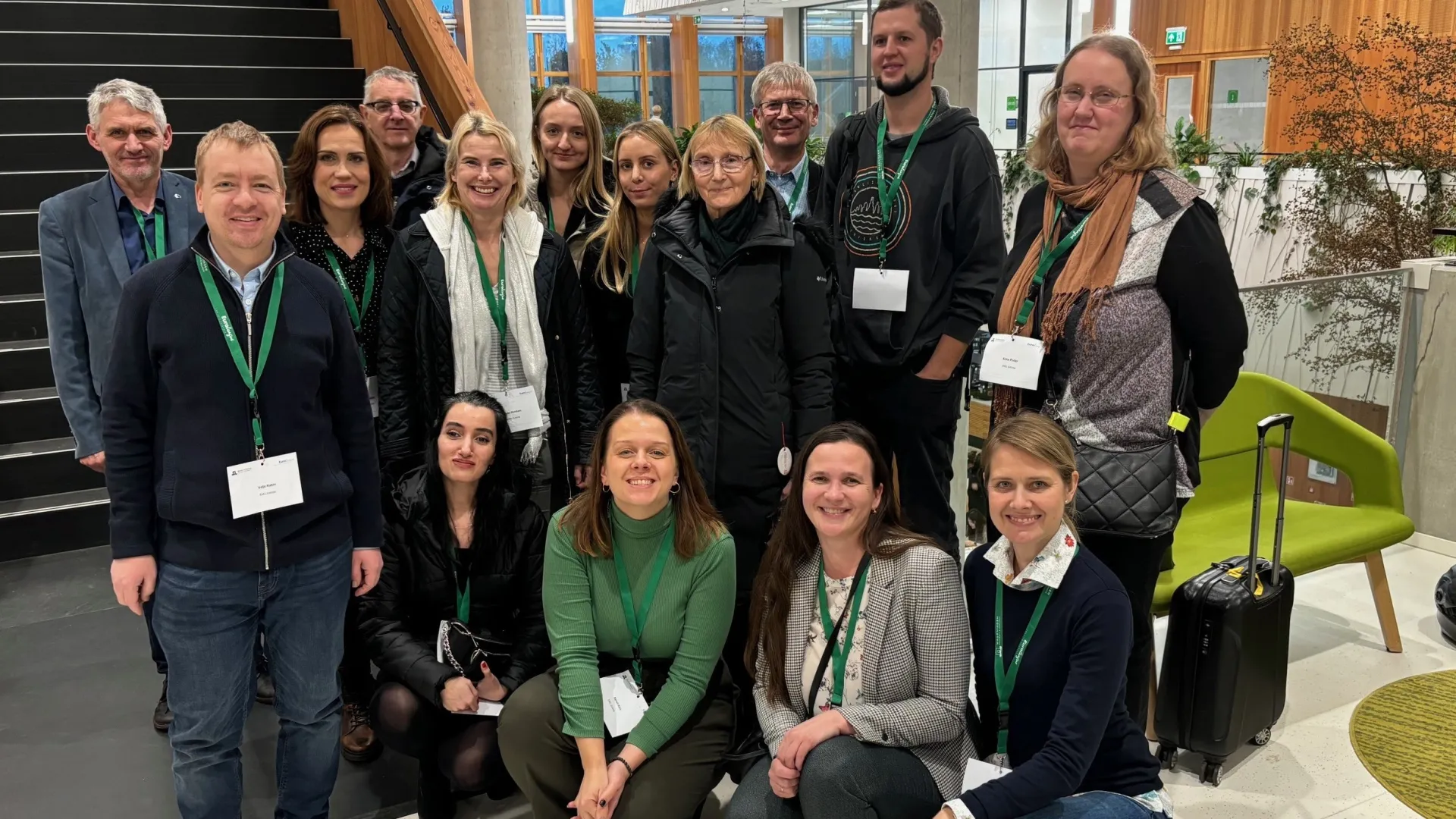
To mark the 25th anniversary of ELLS, we asked our colleagues a few questions to better understand what this collaboration means for the university.
Endla Reintam: ELLS helps shape a more sustainable future
Endla Reintam is Vice-Rector for Academic Affairs at the Estonian University of Life Sciences and has been the university’s main representative in the network since we first joined. Together with the Rector, she is a member of the ELLS Board and also serves on the ELLS Education Council.
The Estonian University of Life Sciences joined ELLS relatively recently in the context of the network’s long history. What place have we found within ELLS over these few years, and what have we been able to contribute to the collaboration?
I feel that the Estonian University of Life Sciences is a full and equal partner in the ELLS network. We have been treated as such ever since we were invited to join the discussions in 2022 and became an observer in the network in 2023. Every new member has brought a fresh perspective and its own experience to the network. One of our particular strengths is our extensive experience in continuing education, which is still quite a new area for many of our partner universities.
What is the greatest value of ELLS for the Estonian University of Life Sciences? What can we achieve better or with greater impact together with our partner universities than we could alone?
The greatest value for our university lies in bringing together some of Europe’s leading universities in our fields, all of which share a similar profile and outlook. By combining our respective strengths, we can offer students the best possible learning and research experience. Staff also benefit from support networks where they can consult colleagues and find solutions together. This applies at every level, from rectors to academic and professional services staff. Together, we certainly have a stronger voice in shaping policy messages at the European level, especially those concerning food security, agriculture and the importance of agricultural education, which have become increasingly prominent in recent years.
ELLS is celebrating its 25th anniversary as a new European University alliance. What opportunities does this next stage of development create for the Estonian University of Life Sciences, and what role could we play in shaping the alliance’s future?
In essence, ELLS has operated like a European University alliance from the very beginning. It was already functioning in this way when we were invited in 2022 to participate in the ELLS network and in the European Universities project proposal. Above all, the financial support from the European Commission will allow us to deepen our collaboration: to develop joint summer schools, courses and degree programmes, and to create shared information systems that will help both students and staff navigate the network more easily. We can share our knowledge and experience in continuing education and microcredential programmes throughout the network, as universities are playing an increasingly important role in providing lifelong learning opportunities.
In one sentence, ELLS means a network where shared knowledge and complementary strengths help us shape a more sustainable future. Collaboration, amplification, future.
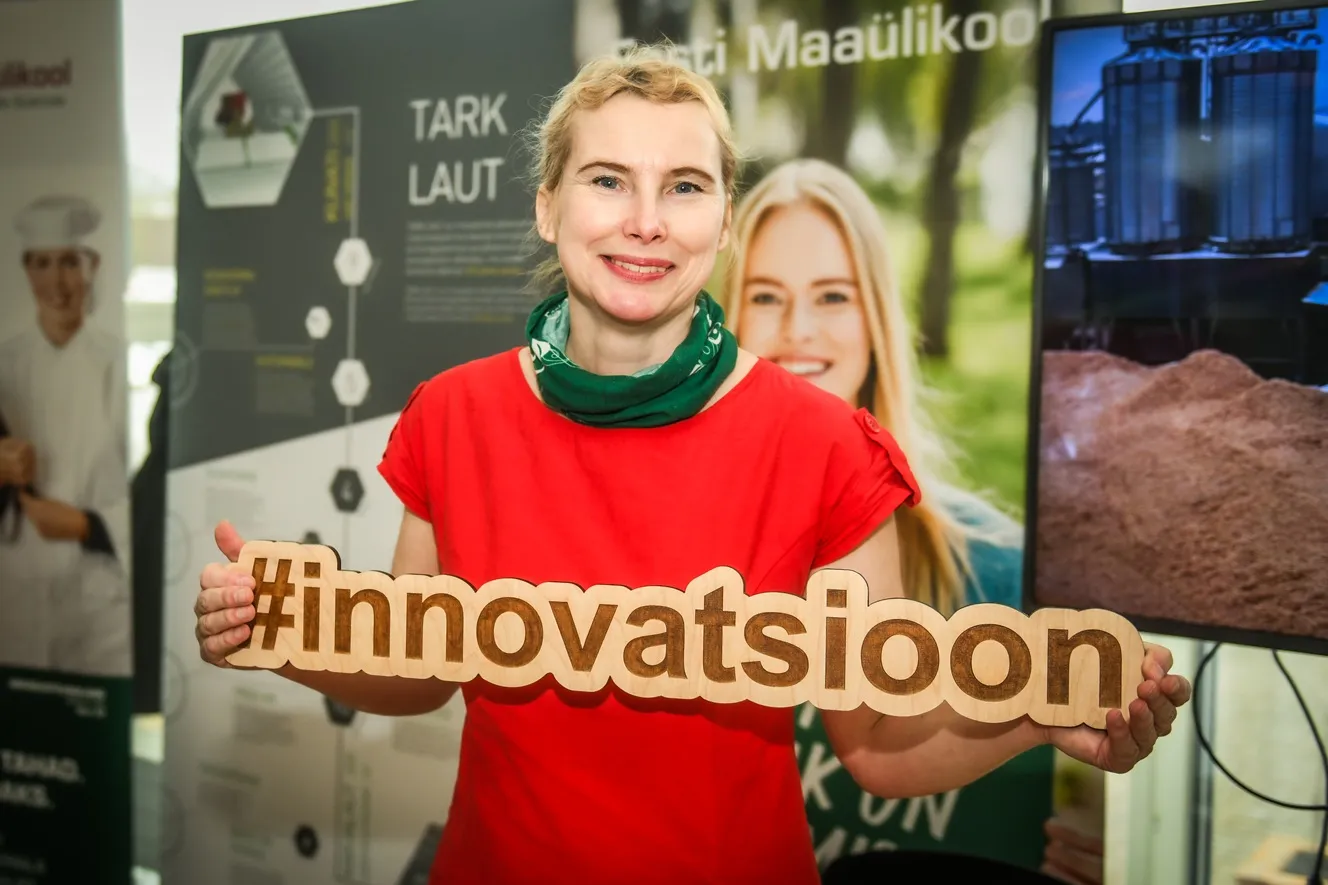
Karoli Kõiv: ELLS is an international community built on trust
Karoli Kõiv represents the Estonian University of Life Sciences in the ELLS International Relations Officers (IRO) Group.
From our university’s perspective, you have been involved in ELLS collaboration almost from the very beginning. Which moment or experience from these years stands out most vividly for you?
For me, the ELLS General Assembly held at Wageningen University two years ago was very special. I had attended once before, but the atmosphere that time—probably also influenced by the very large delegation from the Estonian University of Life Sciences—felt different. It was the moment when I sensed that ELLS was becoming something much bigger for our university than a project led by just a few people.
In reality, however, the ELLS teams work together throughout the year. Our IRO Group meets in person at least two or three times a year. This means that we have visited one another at our workplaces quite often and spent many hours together in meeting rooms and over lunches and dinners. A successful network grows out of precisely these shared moments.
In your experience, what makes ELLS collaboration different from conventional partnerships between universities?
In some respects, it is a conventional partnership, because we were already exchanging students with colleagues at these same universities every semester. I have known many people in the network for more than ten years. Joining ELLS gave these relationships a new dimension. We are working towards the same goal and want the best for one another, because that makes the entire network stronger. We genuinely care about how others are doing, and we offer one another advice and support.
ELLS is something of a phenomenon among European University alliances and truly unique. While many alliances worry about whether and how they will continue once their funding ends, we already have so many established activities that we would carry on regardless—and will certainly continue after the project ends. That confidence comes from years of collaboration and trust that do not depend on project funding.
I also appreciate the fact that many of us may sometimes feel alone with our problems at our home universities. We may not have anyone to turn to because nobody else fully understands the challenges that come with our particular role. In our ELLS teams, however, there is always someone with whom we can discuss matters and from whom we can seek advice.
How does the day-to-day work of the international relations teams and their ELLS colleagues ultimately benefit students, academic staff and other university employees?
Our team’s collaboration is reflected in the student mobility that takes place between our universities every academic year. I always advise students to begin their search for a host university with the ELLS partners. Our universities have very similar profiles, yet they also offer a wide range of different degree programmes where students can learn from world-class researchers in a highly international environment.
Relationships between academic and professional services staff at our universities have also undoubtedly become closer and warmer in recent years. Once again, this is thanks to the efforts of the international relations teams, which help create and facilitate these opportunities.
Editor:

Head of the Department of Marketing and Communication
Rector's Area of Responsibility
Department of Marketing and Communication
+372 7313044
+372 731304453315313
53315313