
The Estonian University of Life Sciences ranked 687th in the UI GreenMetric World University Rankings 2026, achieving its strongest results in waste management and sustainability-related education and research.
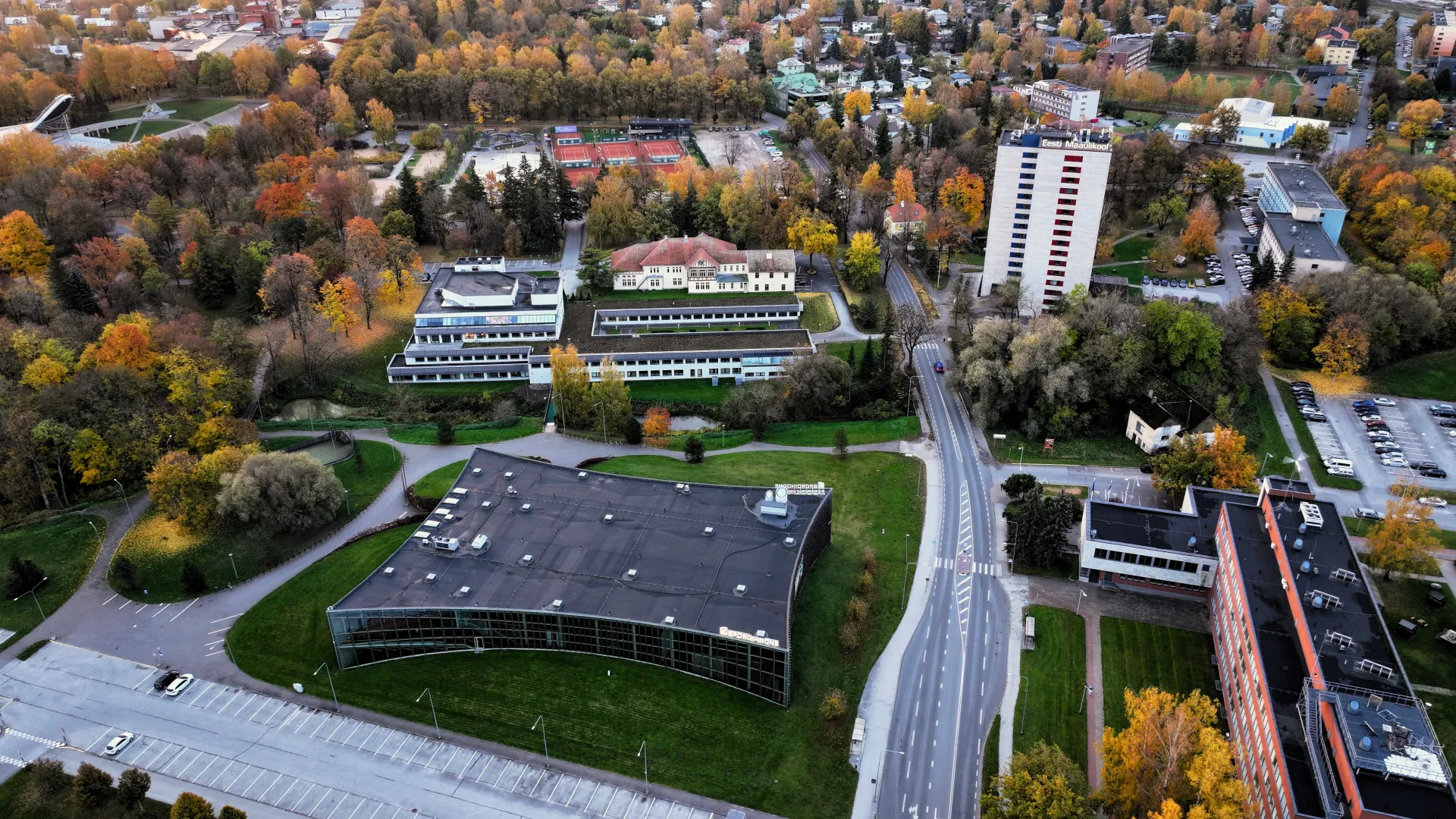
A total of 2,016 universities worldwide participated in this year's UI GreenMetric ranking. The Estonian University of Life Sciences received 6,510 points out of a possible 10,000, representing 65.1% of the maximum score. The university climbed 77 places compared with the previous year. However, comparisons between the two years should take into account the introduction of a new assessment category in 2026: governance and digitalisation.
“Our aim is not simply to improve our position in international rankings, but to use the feedback to further develop sustainability initiatives across the university. GreenMetric helps us identify areas where we are already performing well and those where there is still room for improvement. What matters is that the assessment results do not remain just numbers, but help us plan concrete actions to create a more sustainable university environment,” explained Sille Rebane, Green University Strategy Manager.
UI GreenMetric assesses universities' sustainability performance across a range of indicators, covering campus infrastructure, energy and water use, waste management, transportation, education and research, and governance.
Strongest results in waste management, education and research
The Estonian University of Life Sciences achieved its highest score in Waste (WS), receiving 83.8% of the available points. The university performed particularly well in the treatment of organic, inorganic and toxic waste, as well as sewage disposal. However, the assessment also highlighted the need to place greater emphasis on waste prevention, including reducing paper and plastic consumption and promoting reuse.
The university also performed well in Education and Research (ED), achieving 79.8% of the available points. It received maximum scores for sustainability-related courses, research funding, environmental events and community activities involving students. These results demonstrate that sustainability is firmly embedded in the university's education and research activities. One area for further development is supporting sustainability-related entrepreneurship and innovation, including start-ups.
In Governance and Digitalisation, the university achieved 77.3% of the available points. Its coordination of sustainability initiatives, dedicated sustainability website and budgetary commitment to sustainability were particularly highly rated.
One important area for further development is regular sustainability reporting. The university has already taken steps in this direction: its first sustainability report based on the United Nations Sustainable Development Goals (SDGs) is currently being prepared and is expected to be completed this year. The university plans to publish such a report annually in the future.
Energy and transportation require greater attention
The assessment identified the greatest room for improvement in Energy and Climate Change (EC), where the university achieved 46.8% of the available points, and Transportation (TR), where it scored 46.3%.
The main priorities in the energy category are increasing on-site renewable energy generation, reducing greenhouse gas emissions and improving energy efficiency. The university expects to be able to report an increase in its own renewable energy generation in next year's assessment.
The Estonian University of Life Sciences has been measuring its carbon footprint for several years. Based on these measurements, a carbon footprint reduction action plan is currently being developed and is expected to be completed this autumn. The university therefore already has the necessary baseline data, and the next step is to implement the planned measures and assess their effectiveness.
In transportation, there is room for improvement in promoting sustainable modes of travel and managing parking on campus. Going forward, the university plans to take a more comprehensive approach to campus mobility, also drawing on its carbon footprint reduction action plan.

Preserving campus biodiversity is an important development priority
The Estonian University of Life Sciences achieved 65.9% of the available points in Setting and Infrastructure (SI) and 68.2% in Water (WR).
One of the university's key priorities is preserving and enhancing campus biodiversity. The university has developed a campus biodiversity plan, which provides the basis for planned monitoring activities and aims to support science-based campus management.
Going forward, the university intends to assess the effects of different mowing regimes on biodiversity more extensively and use the findings to inform campus maintenance decisions. This will enable the university to manage and develop its campus environment in a way that is guided by scientific evidence and supports biodiversity.
The ranking helps set new goals
The Estonian University of Life Sciences has participated in the UI GreenMetric assessment since the ranking published in 2021. During this period, the number of participating universities has grown from 956 to 2,016. The Estonian Academy of Arts was also represented in this year's ranking, placing 1,693rd.
For the Estonian University of Life Sciences, GreenMetric is more than just an international ranking. It also provides an opportunity to gain an independent, comparative overview of its sustainability initiatives, identify areas for improvement and set future goals. The assessment results highlight the diversity of the university's sustainability initiatives and the systematic efforts made so far, while also identifying areas where further progress is needed. The feedback will help the university plan its next steps in advancing sustainability initiatives and creating a more environmentally responsible and sustainable university environment.
Editor:

Chief Specialist of Communications (Web Administrator)
Rector's Area of Responsibility
Department of Marketing and Communication
+372 7313004
+372 7313004More information:

Green University Strategy Manager
Rector's Area of Responsibility
Rector's Office
+372 7313171
+372 7313171