Apply to our international study programmes. Complete an online application at [email protected]


Apply to our international study programmes. Complete an online application at [email protected]

Our university offers different research opportunities for doctoral students. The next admission period starts in spring 2027.

The Estonian University of Life Sciences is the leading university in Estonia in the field of bioeconomy.
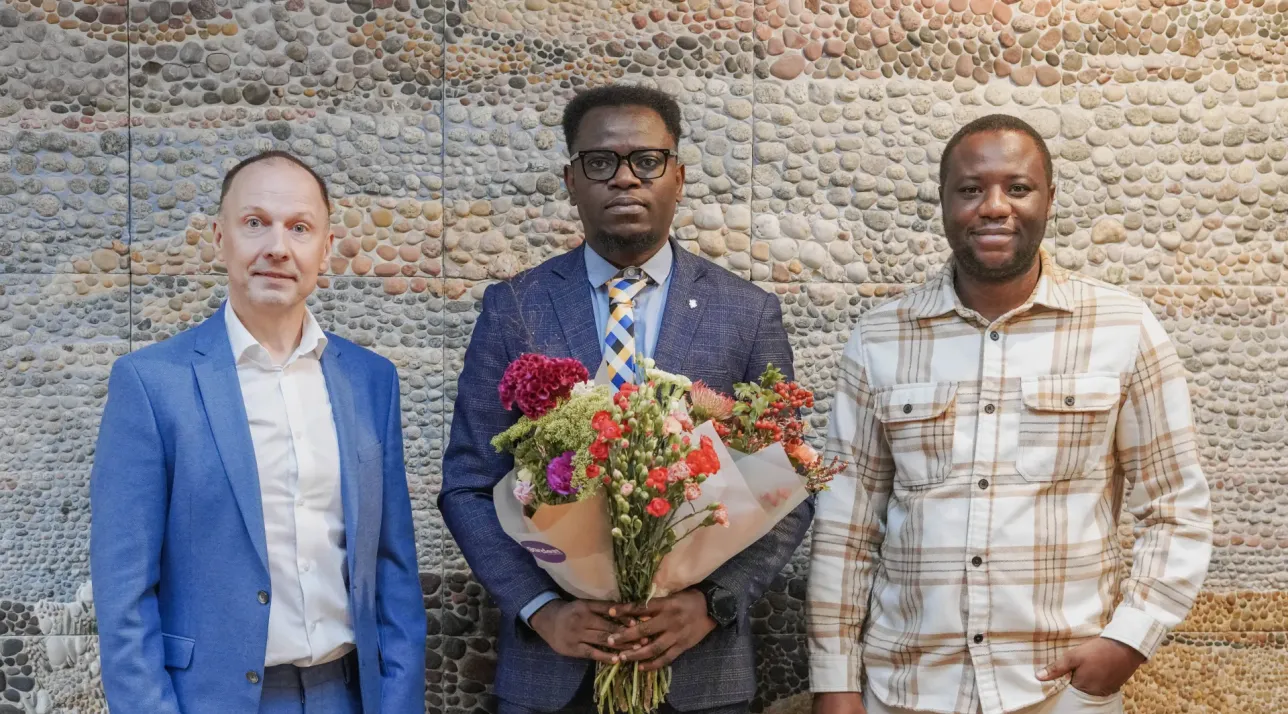
On Friday, 20 November, Temitope Olaoluwa Omoniyi defended his doctoral thesis at the Estonian University of Life Sciences, entitled “Spatiotemporal modeling and assessment of forest growing stock volume using national forest inventory and remotely sensed data”.
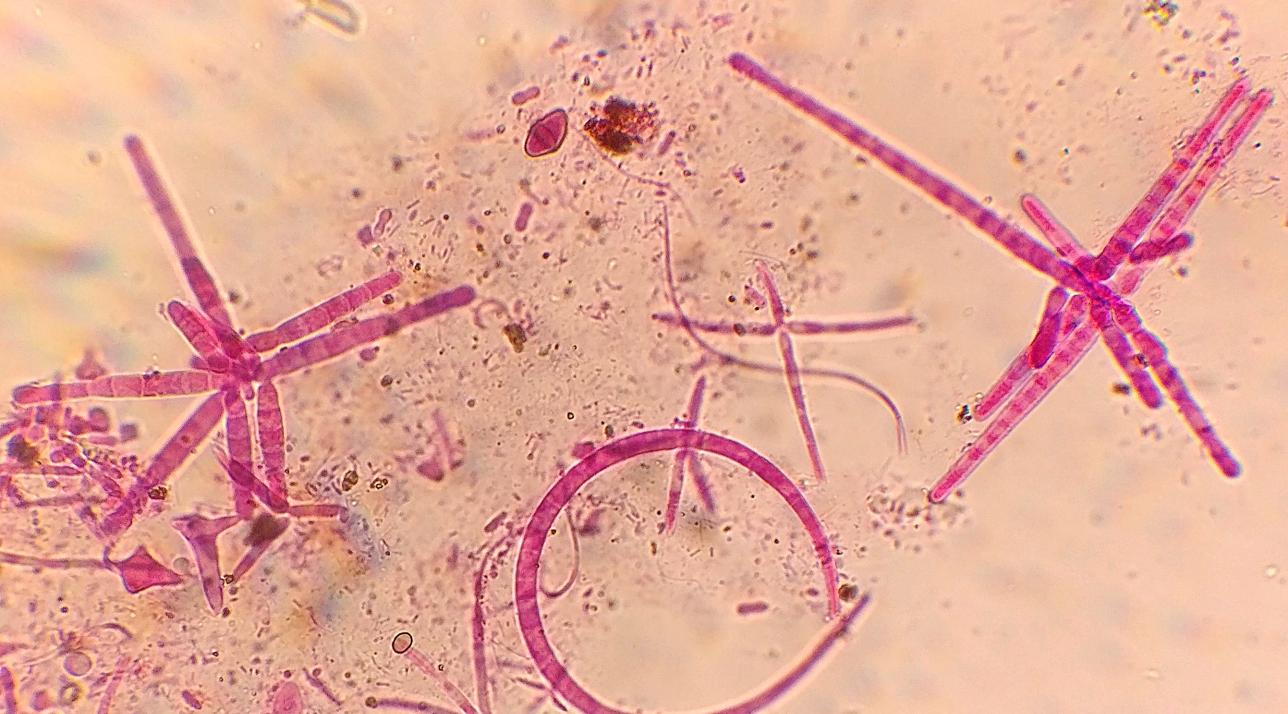
Estonian University of Life Sciences researcher Kristel Panksep led an international collaboration that produced FunAqua, a dataset for studying aquatic fungi. FunAqua brings together DNA data on fungi from water bodies in 87 countries across all continents. It contains data from 1076 sediment samples and 1299 filtered water samples collected at 1452 sampling sites.
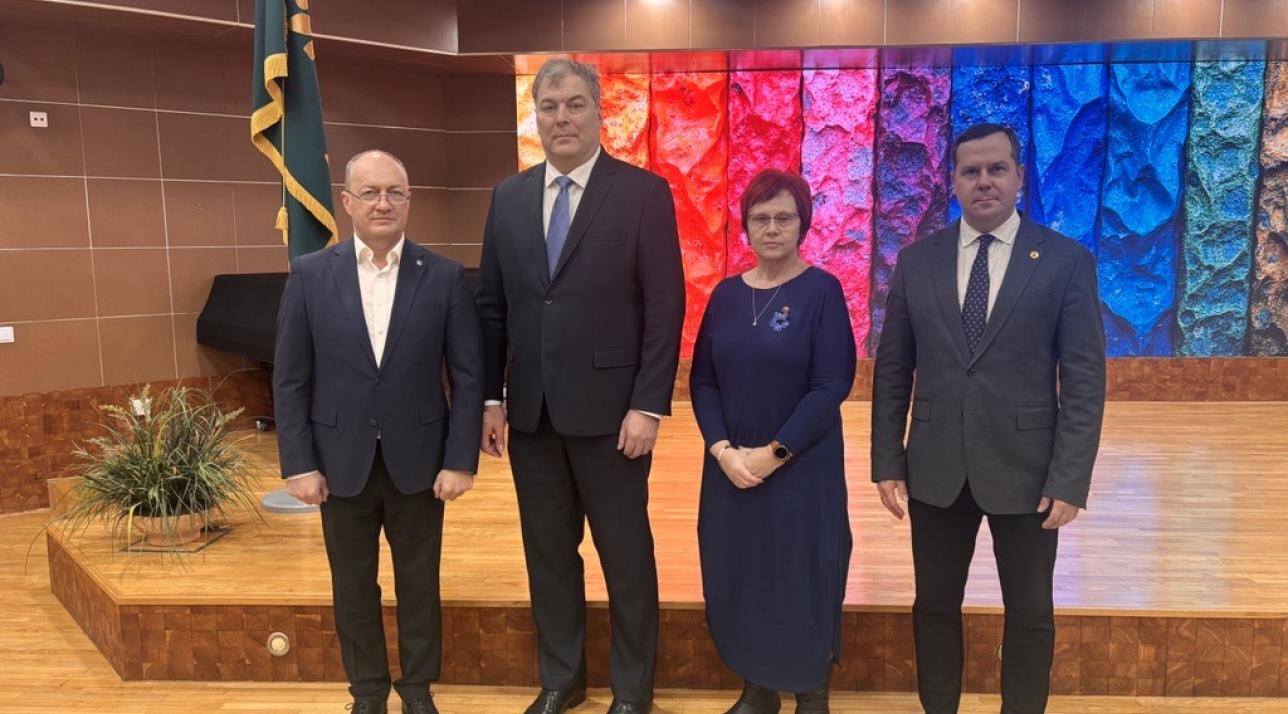
The current directors of all three institutes at the Estonian University of Life Sciences have been re-elected for a new five-year term: Aret Vooremäe at the Institute of Agricultural and Environmental Sciences, Marek Metslaid at the Institute of Forestry and Engineering, and Toomas Tiirats at the Institute of Veterinary Medicine and Animal Sciences.
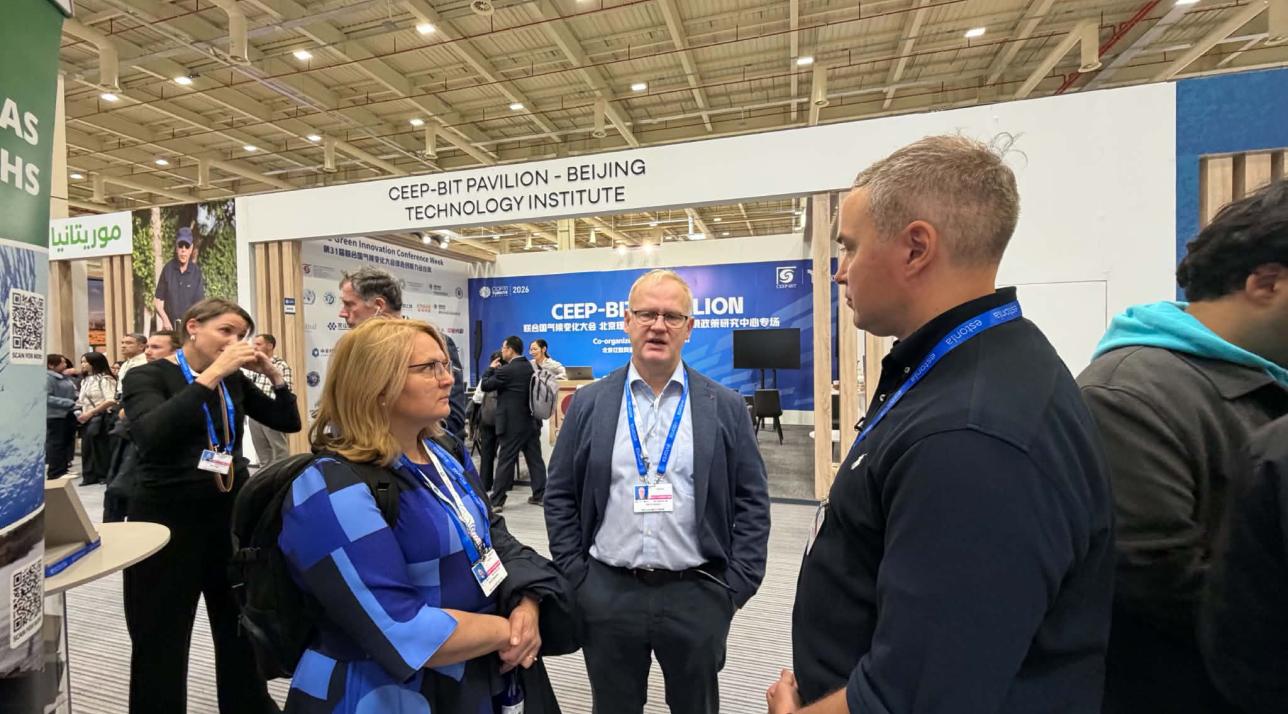
The Estonian University of Life Sciences delegation has returned from the UN Climate Change Conference COP31, where Vice-Rector for Research Kalle Olli participated in the opening panel discussion at the Estonian Pavilion and university researchers presented an aquaponics solution based on water reuse.
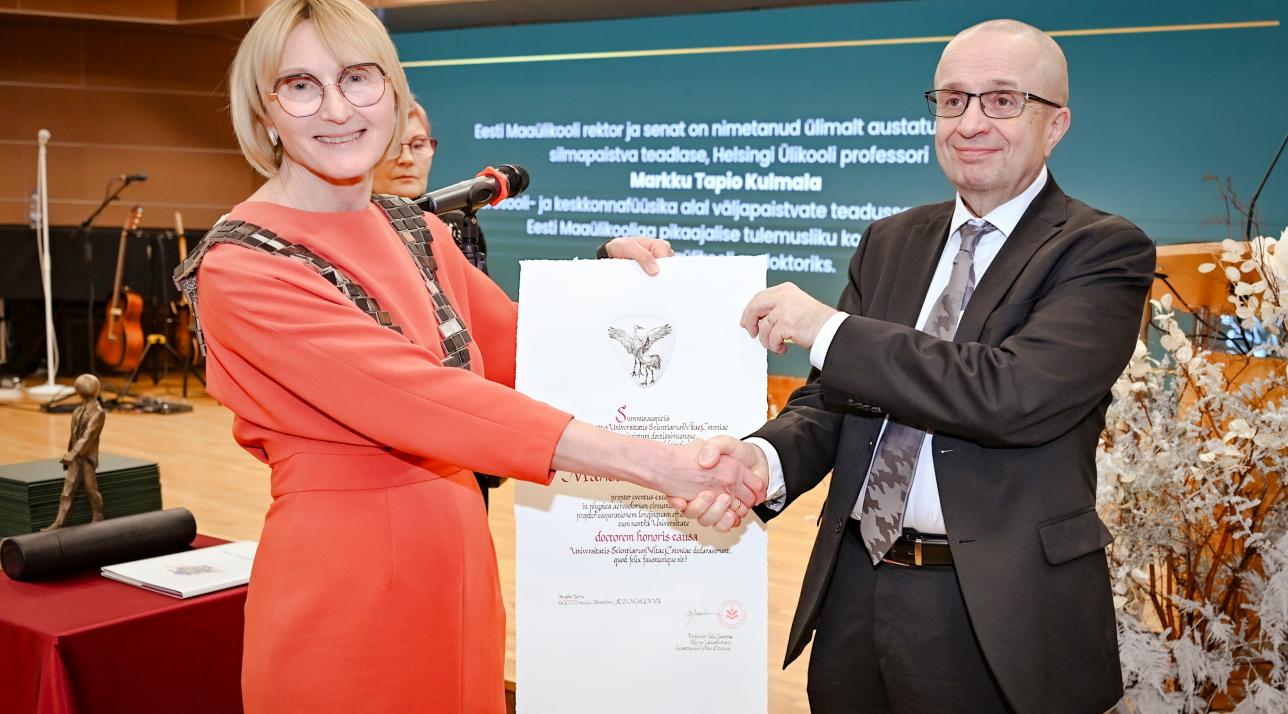
At the anniversary ceremony held on Friday, 13 November, the Estonian University of Life Sciences conferred an honorary doctorate on Professor Markku Tapio Kulmala of the University of Helsinki and awarded doctoral degrees to 22 new PhD graduates. The university’s highest distinction, the Medal of Merit, was awarded to Aret Vooremäe.
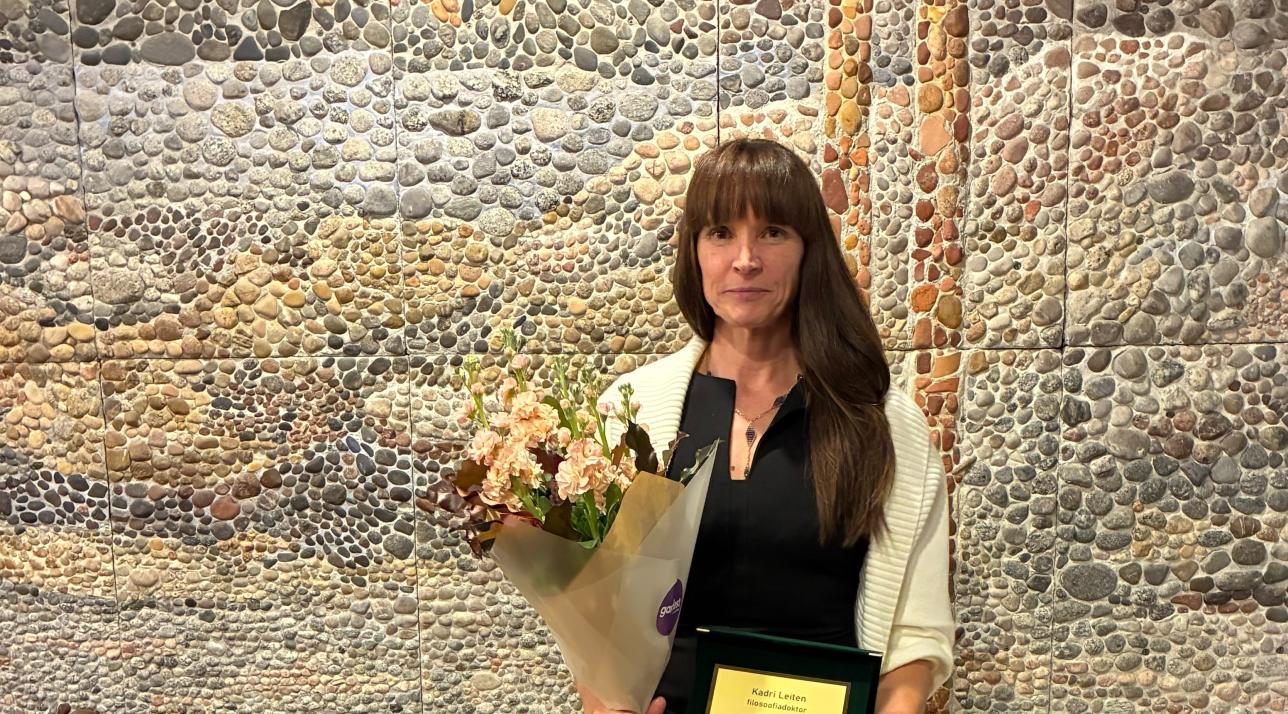
On 12 November, Kadri Leiten defended her doctoral thesis at the Estonian University of Life Sciences, entitled “Long-Term Evolution of Moisture Regime and Damage Risks in Internally Insulated Massive Masonry Walls under Changing Climate Conditions”. Her research focused on how insulating historic masonry walls affects moisture accumulation and the long-term preservation of buildings.
We are an internationally recognized research university in the field of bioeconomy.


Welcome to the virtual tour of the Estonian University of Life Sciences. Explore our campus, buildings, and learning environment without leaving your home. Enjoy exploring!
